Orissa India
Estado de Odisha (anteriormente Orissa), India
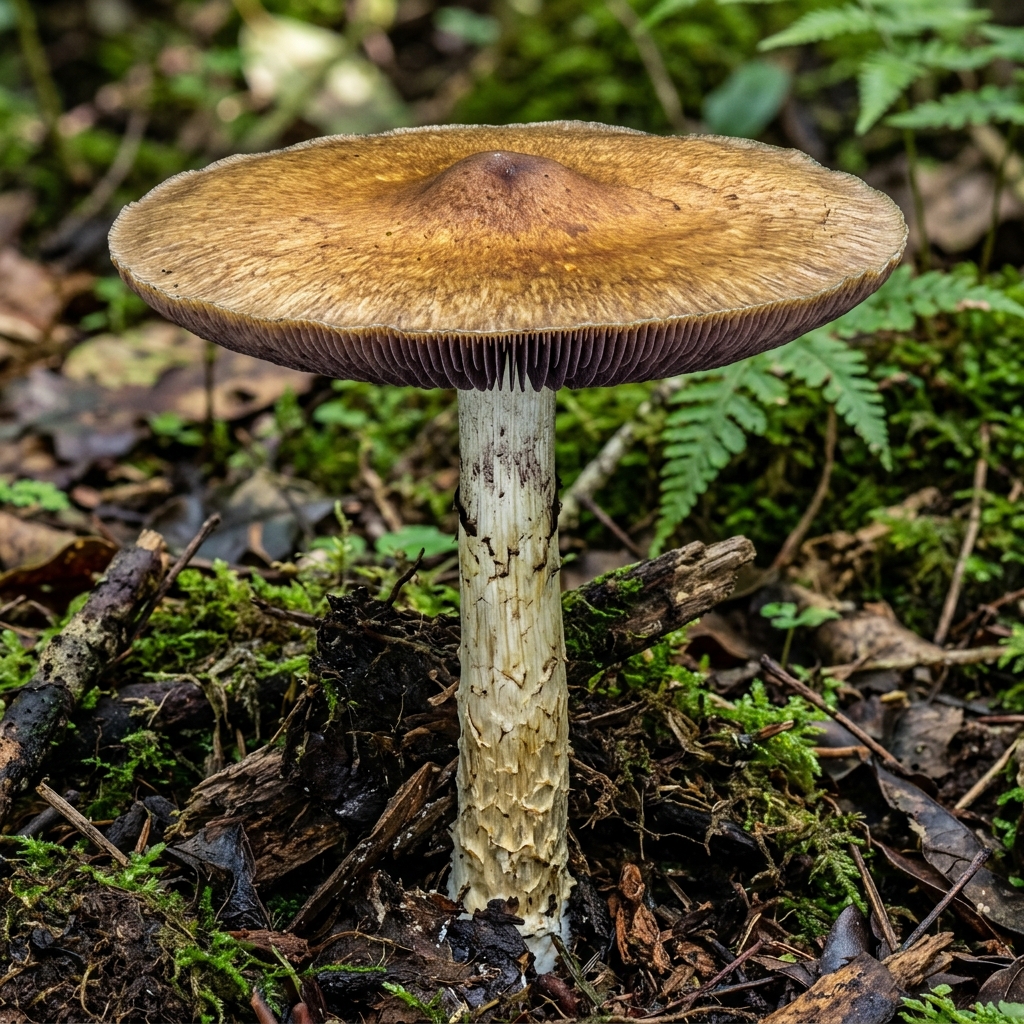
Morphology and Mutations
Cap (Pileus): Gargantuan dimensions, broad and flattened saucer-shaped caps.
Stipe (Stem): Extremely long, frequently exceeding 20 cm, robust.
Spores: Massive deposition that rapidly covers lower sporocarps.
Genetic Traits: Macromorphology, Mixed cottony-rhizomorphic <span data-tooltip="Network of underground threads forming the actual body of the fungus" tabindex="0">mycelium</span>, Thermophilic
Cultivation Characteristics
Special Requirements: Originating from wild elephant dung. It requires a biologically dense substrate (enriched with complex organic nutrients or manure) and large cultivation receptacles to accommodate the colossal height of its basidiocarps.
Effects and Psychopharmacology
- Mood enhancement
- Augmented tactile perception
- Warm colors
History and Description
Orissa India holds the historical record as one of the P. cubensis variants capable of developing the largest known fruiting bodies (before modern hybridizations). Found wild on elephant dung in the biotic plains of India, the strain carries a genetic coding oriented towards macromorphological growth. Samples extracted and stabilized by mycologists retain this astonishing genetic predisposition. In controlled environments, the Orissa strain frequently challenges the spatial parameters of the container, with massive stipes supporting formidable caps. Due to the immense amount of water required to inflate such biomass, precise substrate hydration is an absolute requirement to avoid aborts.
The Orissa India variety has an extensive history in modern mycology, being appreciated for its unique genetic profile and its contribution to the fungal biodiversity studied in laboratories worldwide.