Psilocybe tampanensis
Guzmán & S.H. Pollock 1978
Common Names
Description
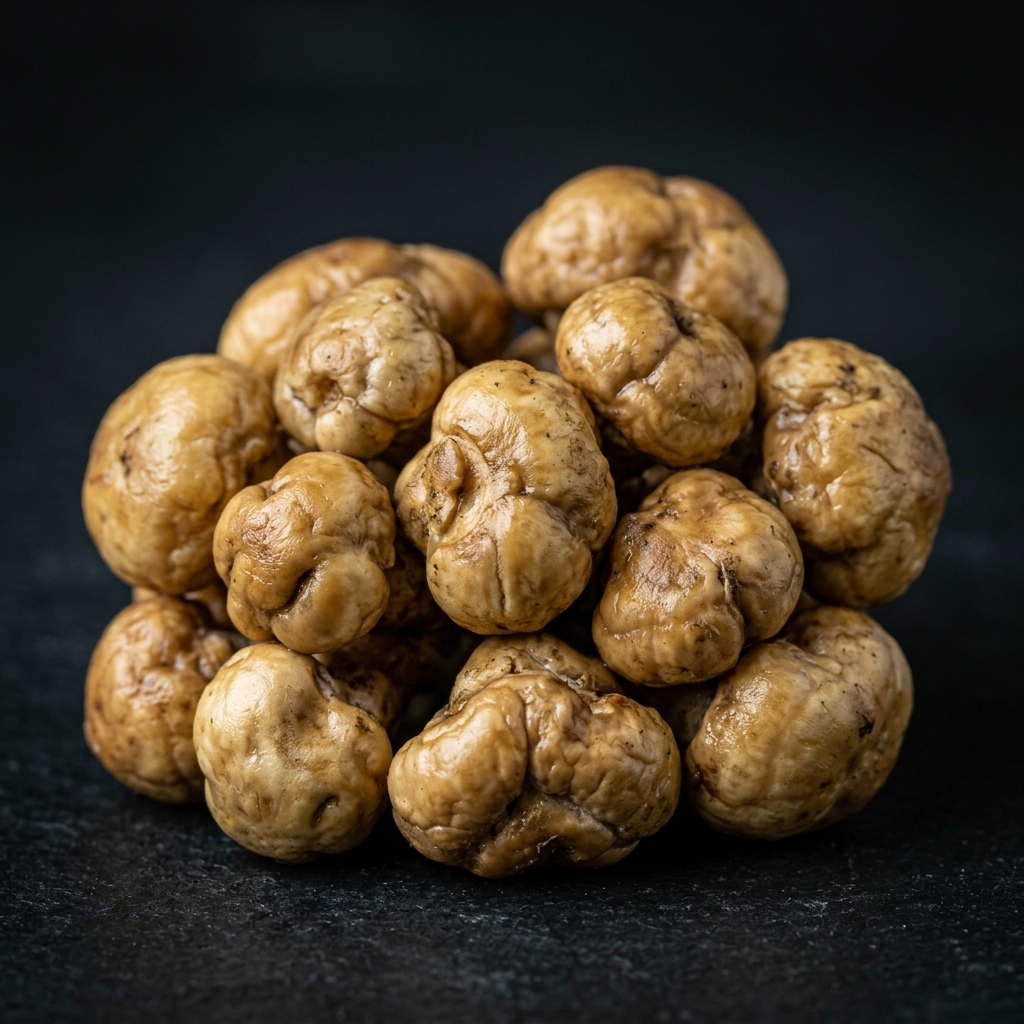
Famous mainly for its rapid production of "philosopher's stones" (sclerotia) in culture media. Rare or extinct in nature.
Ecology
Rare species originally found in sandy soils.
lens_blur Cap (Pileus)
view_list Gills (Hymenium)
straighten Stipe (Stem)
blur_circular Spores (Microscopy)
colorize Flesh
Alkaloid Profile (% Dry Weight)
Sources
Guzmán & Pollock 1978
Habitat and Ecology
Geographic Distribution
⚠️ Lookalike Species
Confusion with these species can be dangerous or fatal. Always consult an expert mycologist.
menu_book Scientific References
- Guzmán & Pollock 1978
Cultivation Biology & Master Overview
Discovered in a single wild specimen in Tampa (Florida) in 1977 by Steven Pollock and Gastón Guzmán, Psilocybe tampanensis is the simplest and most discreet cultivation method that exists: it does not require a fruiting chamber, lights, or humidity control. Simply inoculate a jar of sterilized grain, store it in a dark cupboard for 12 weeks, and harvest your famous "Philosopher's Stones."
Step-by-Step Cultivation Manual (Inoculation to Harvest)
The full phase-by-phase chronological protocol (grain colonization, bulk mixing, fruiting induction, harvesting and flushes) and expert grower secrets are available in the Master Cultivation Guide.