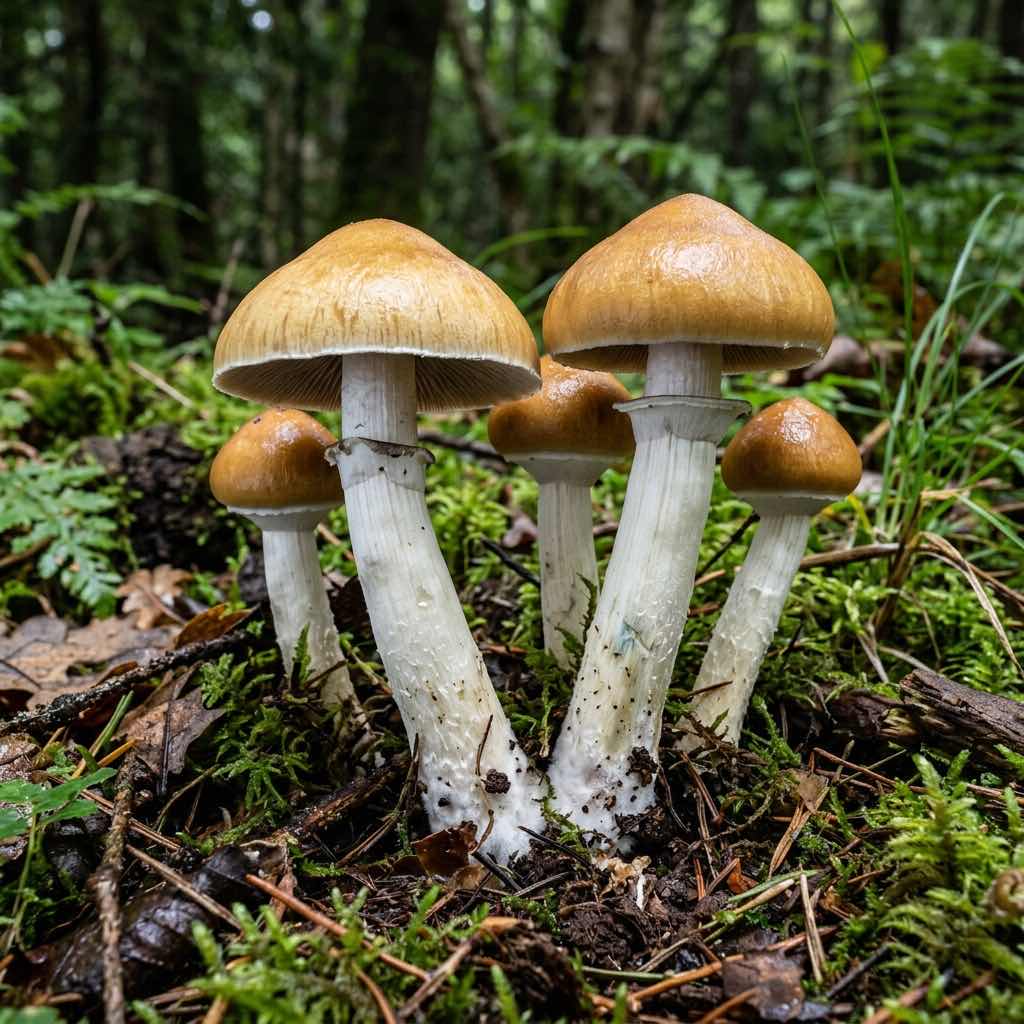
Psilocybe cubensis
(Earle) Singer, 1948
Common Names
Description
A very common coprophilous species in tropical and subtropical areas, widely cultivated worldwide.
Ecology
It grows on dung in pastures.
hubPsilocybe cubensis Strains, Isolates & Varieties Guide
Understand what a strain is, why so many exist, and how the 5 major phenotypic lineages are classified.
psychology_altWhy are there so many "strains" if all of them are Psilocybe cubensis?
A universal beginner misconception is believing that names like Golden Teacher, Penis Envy, or Jack Frost are distinct fungal species. Taxonomically, every single one belongs to the exact same biological species: Psilocybe cubensis.
Just like dog breeds or plant cultivars, a "strain", isolate, or variety is a distinct genetic line displaying noticeable variations in external morphology (cap shape, stem girth, pigmentation), colonization kinetics, temperature tolerance, and alkaloid density.
auto_storiesThe 4 Origins of Modern Strains
Specimens originally foraged in nature across different regions (Mazatapec in Mexico, Koh Samui in Thailand, Cambodian in Cambodia), adapted to their native microclimate.
Cultivators isolating tissue from the fastest, densest or largest fruits on agar petri dishes to stabilize uniform performance.
Spontaneous natural mutations captured and fixed in labs, such as albinism (APE, Jack Frost) or capless coral-like growth (Enigma).
Deliberate pairings between compatible monokaryons of two distinct strains (e.g. Tidal Wave = B+ x Penis Envy).
Classification by the 5 Major Phenotypic Lineages
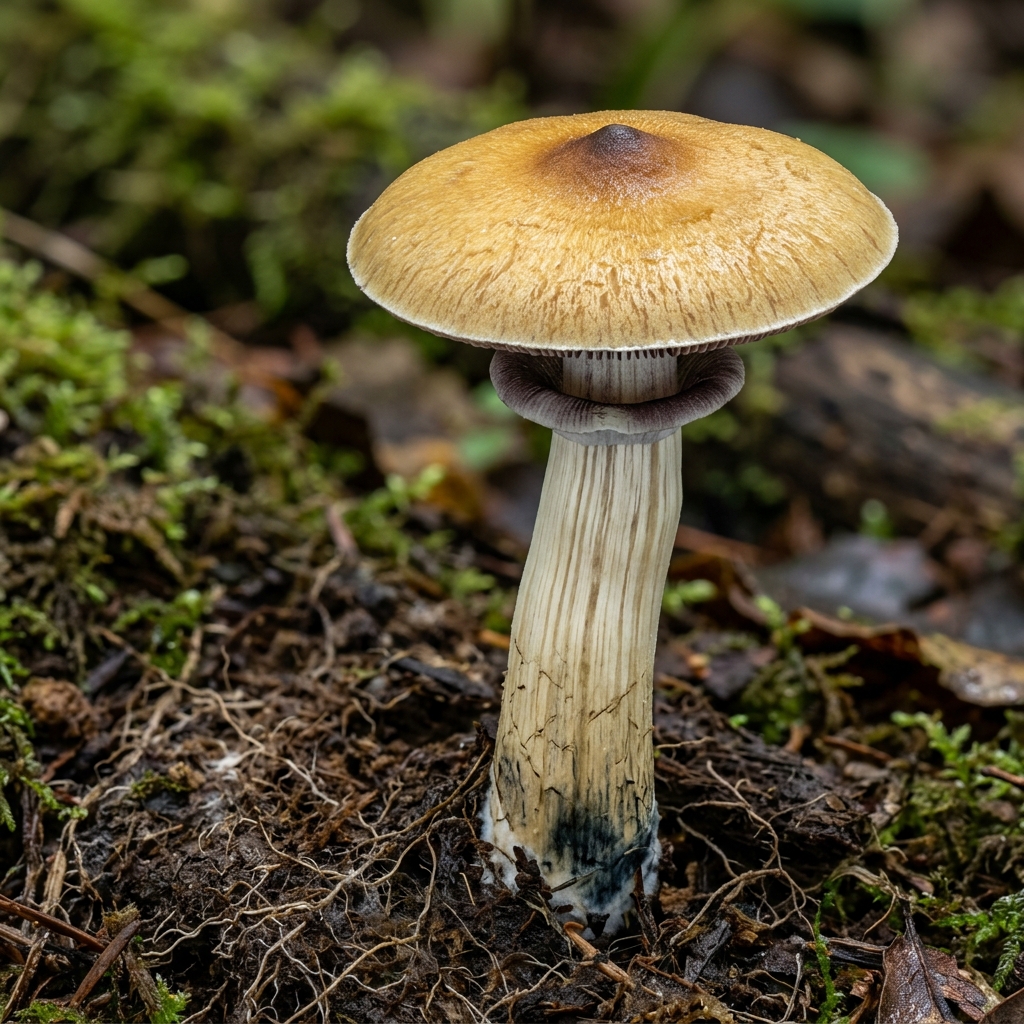
Golden Teacher
The benchmark classic strain. Broad golden caps, generous flushes, fast colonization and high adaptability.
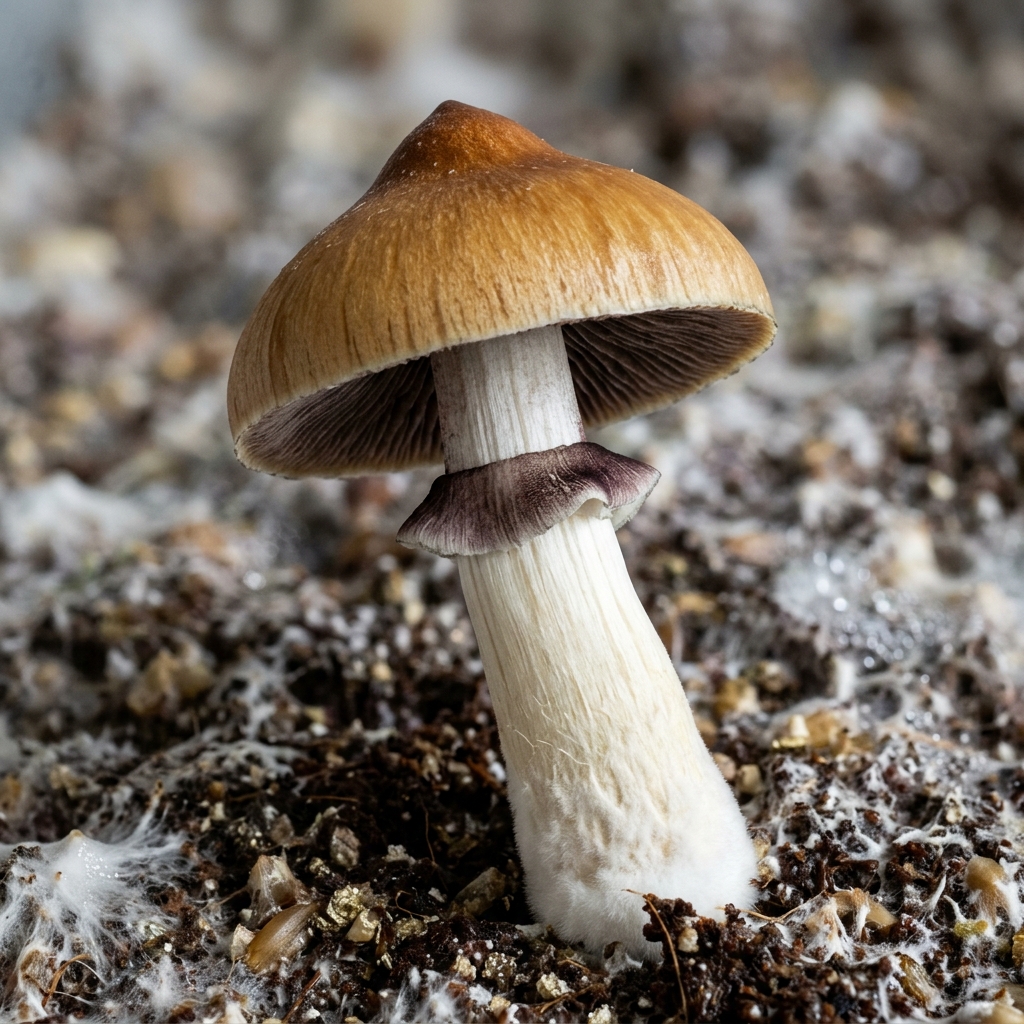
B+
Famous for extreme resilience to temperature and moisture swings. Produces tall fruits and occasional mycelial hats.
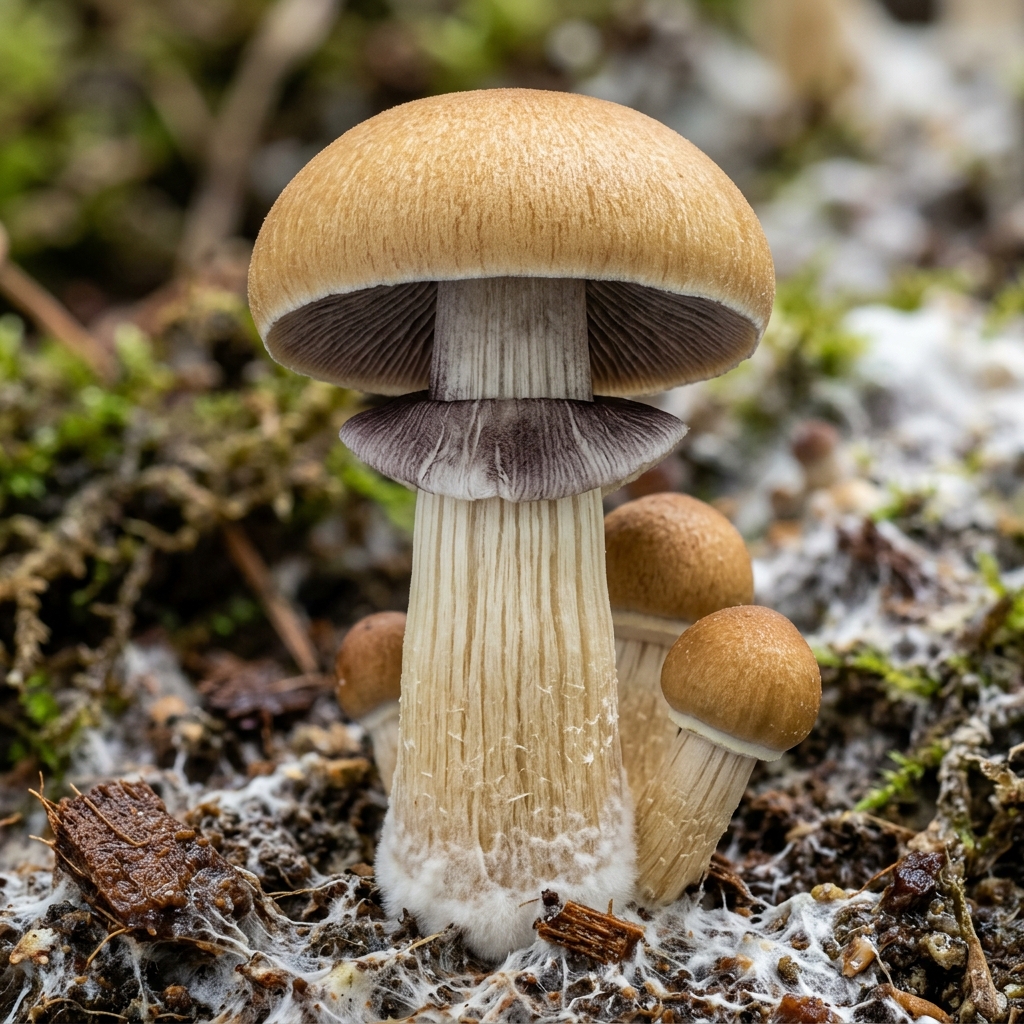
Z-Strain
Ultra-fast rhizomorphic mycelium and aggressive grain colonization. Excellent pick for beginners seeking speed.
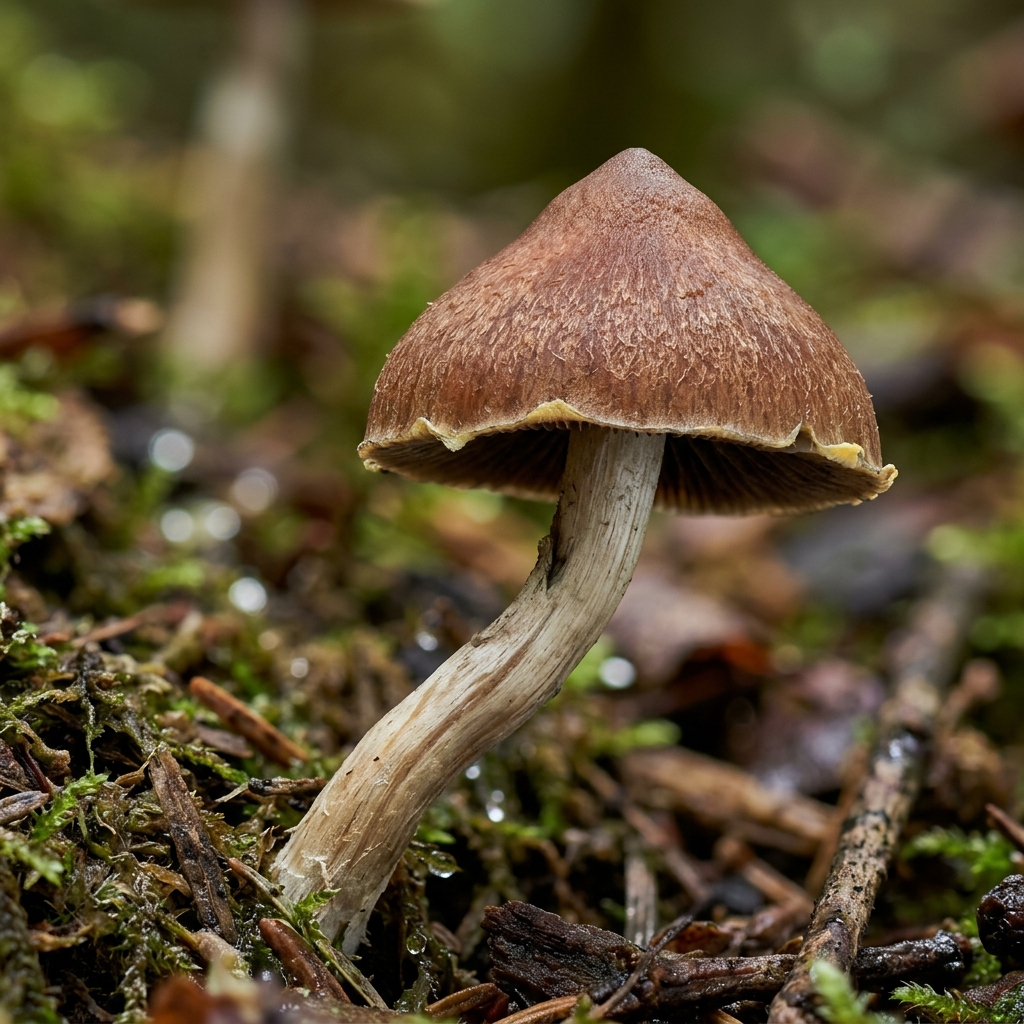
Mazatapec
Ancestral wild genetics of great ethnobotanical value. Slender growth, bell-shaped caps and high phenotypic stability.
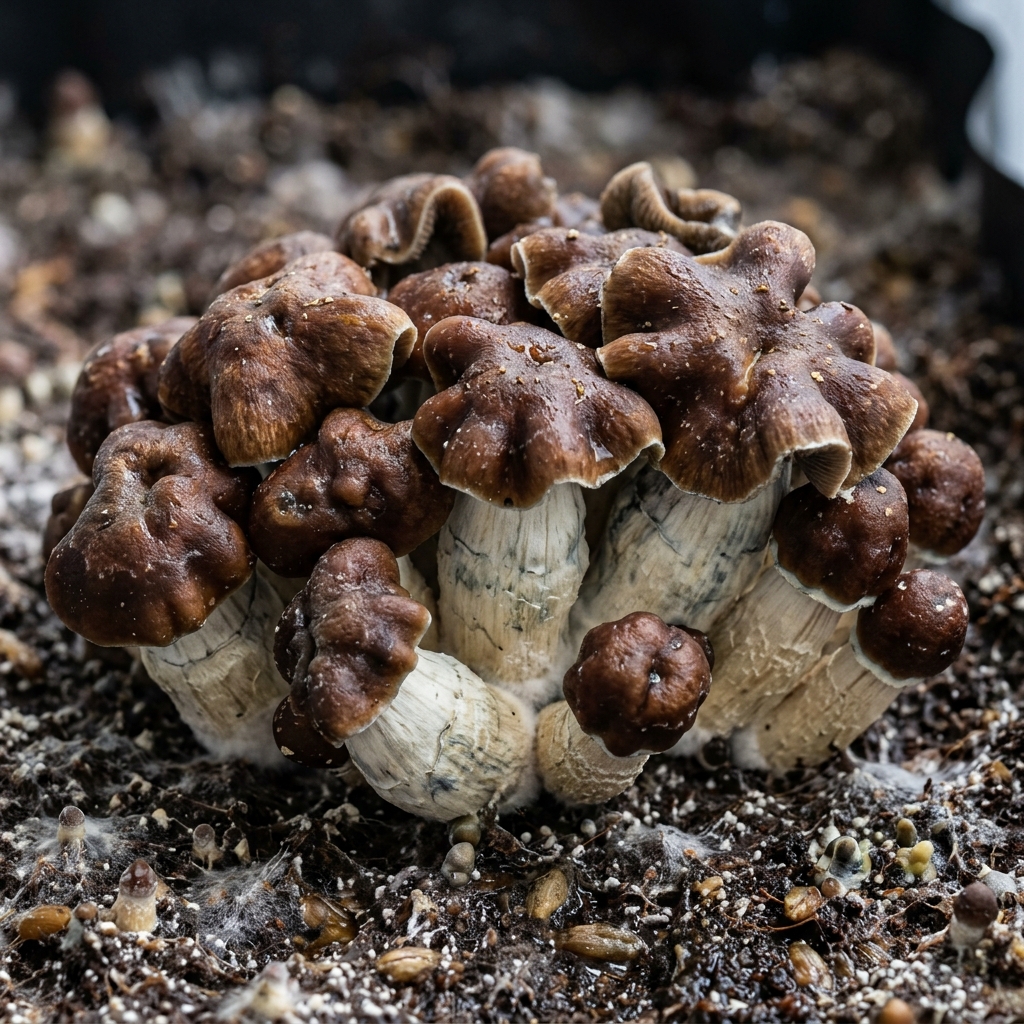
McKennaii
European isolate selected for high flush density and above-average potency among classic strains.
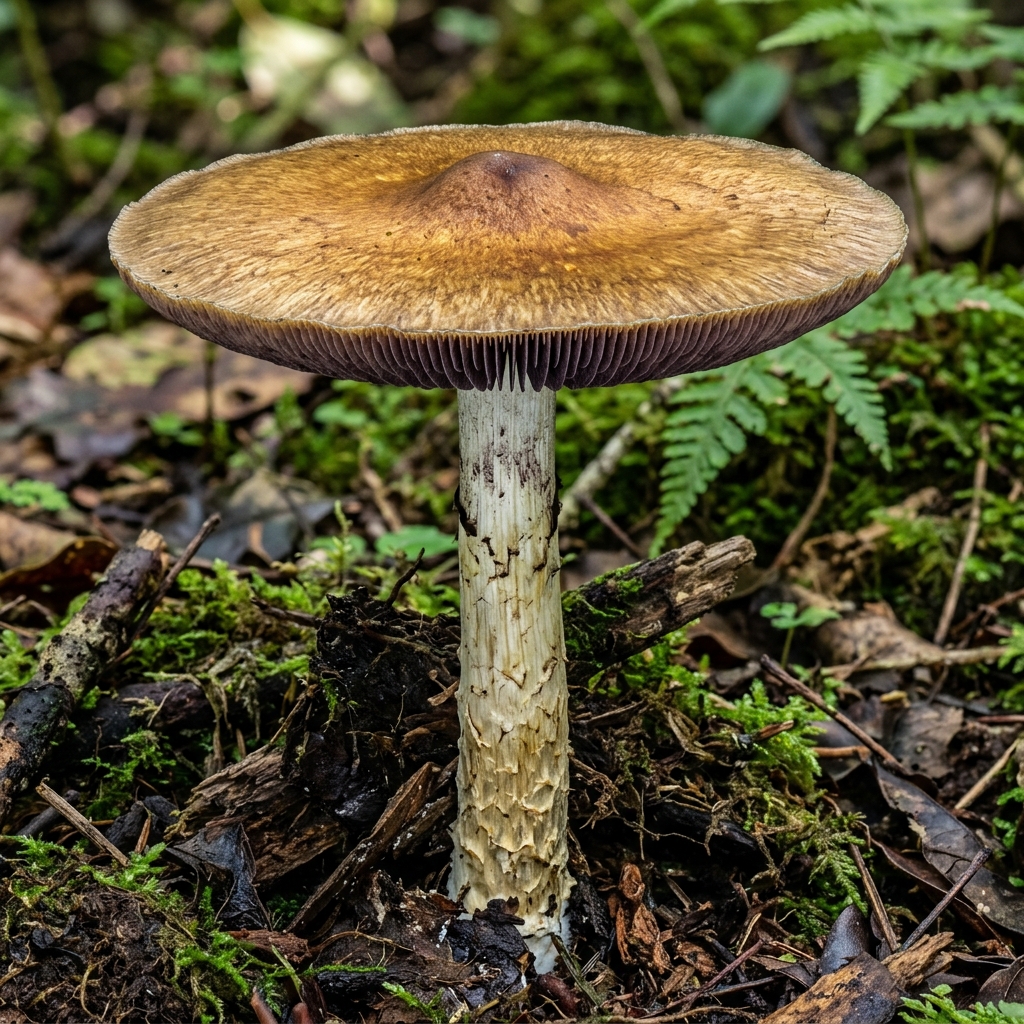
Orissa India
Famous for producing gigantic specimens with broad stipes when grown on nutrient-rich substrates.
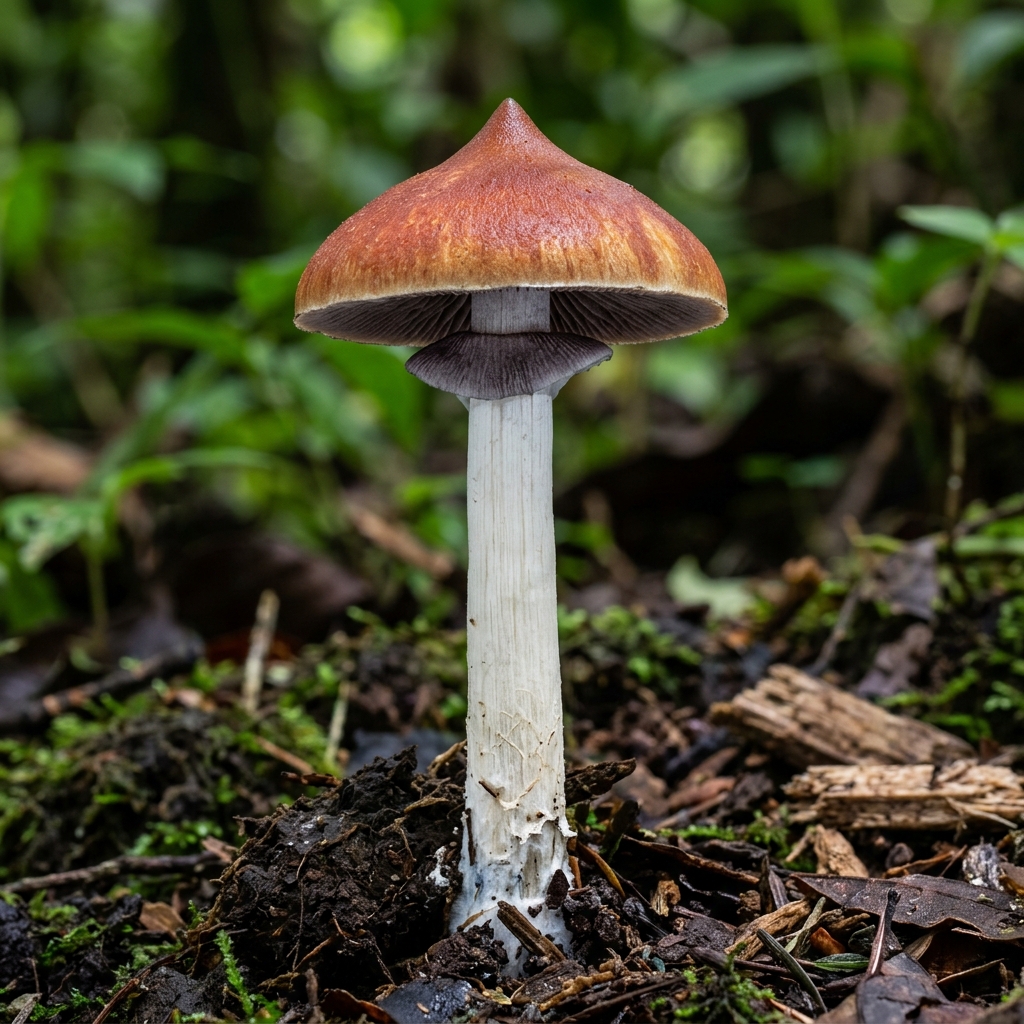
PES Amazonian
Highly prolific and versatile strain. Forms fleshy conical caps with a distinct center umbo.
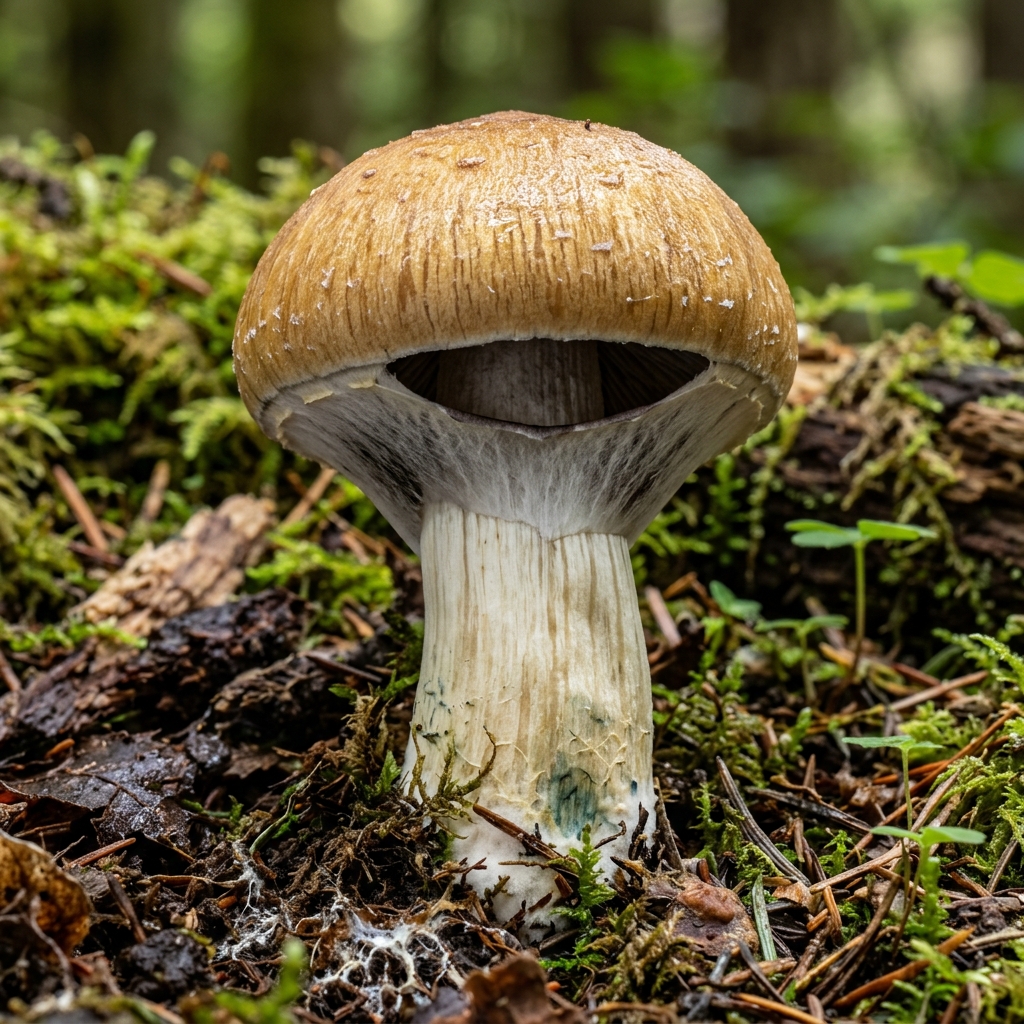
Jedi Mind Fuck (JMF)
Thick stipes, broad caps and heavy flushes. Highly regarded by experienced mycologists.
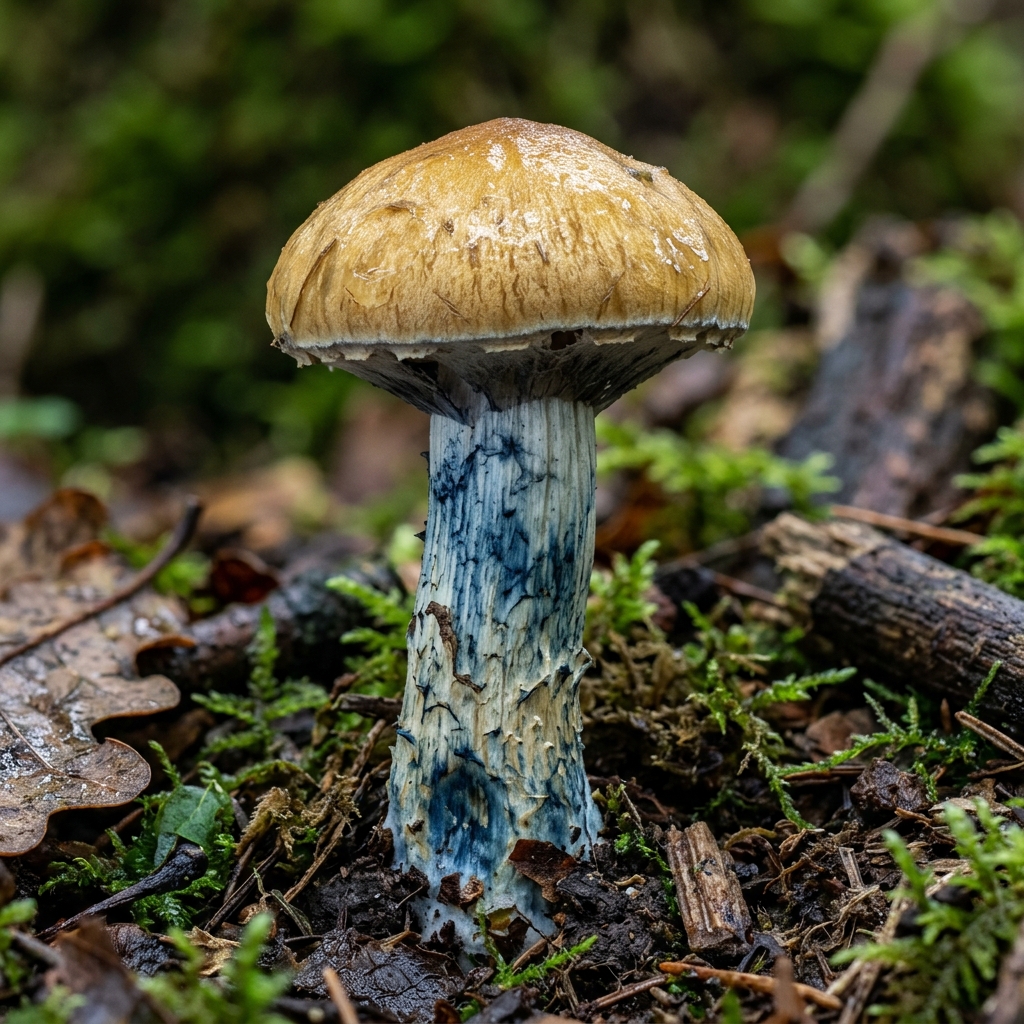
Blue Meanie (Cubensis)
Not to be confused with Panaeolus cyanescens. This cubensis strain exhibits vivid blue bruising at the lightest touch.
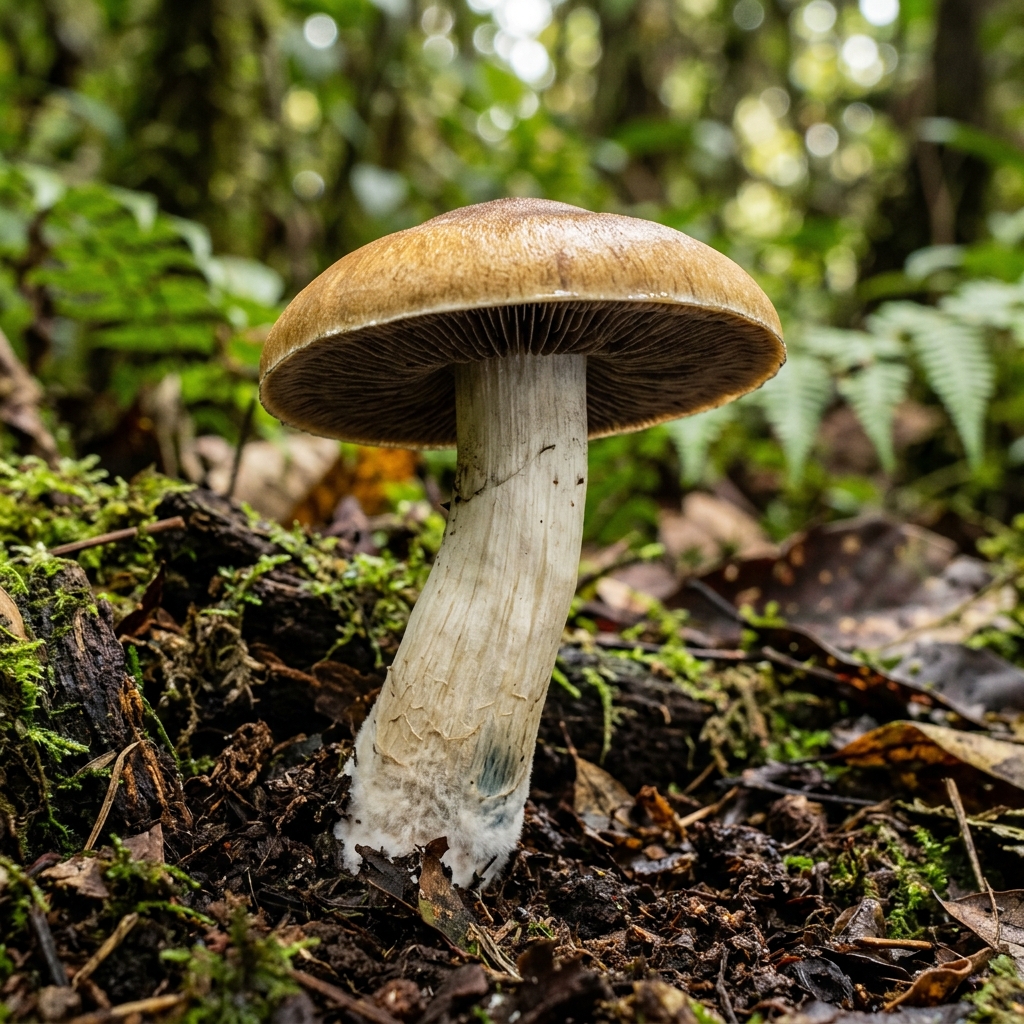
Ecuadorian
Adapted to cooler temperature drops due to high native altitude. Sturdy stems and bell-like caps.
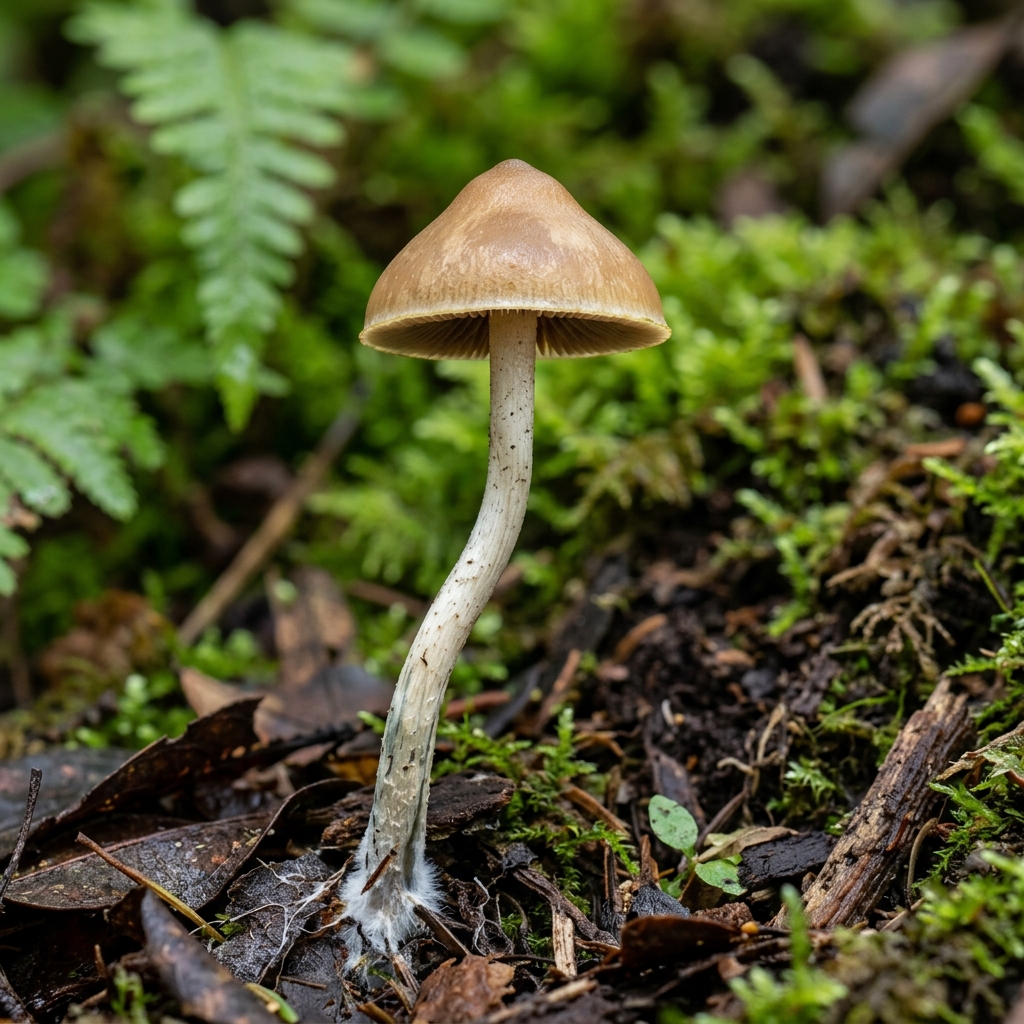
Huautla
Hailing from the cradle of Mazatec shamanism (María Sabina). Slender bodies and consistent flushes.
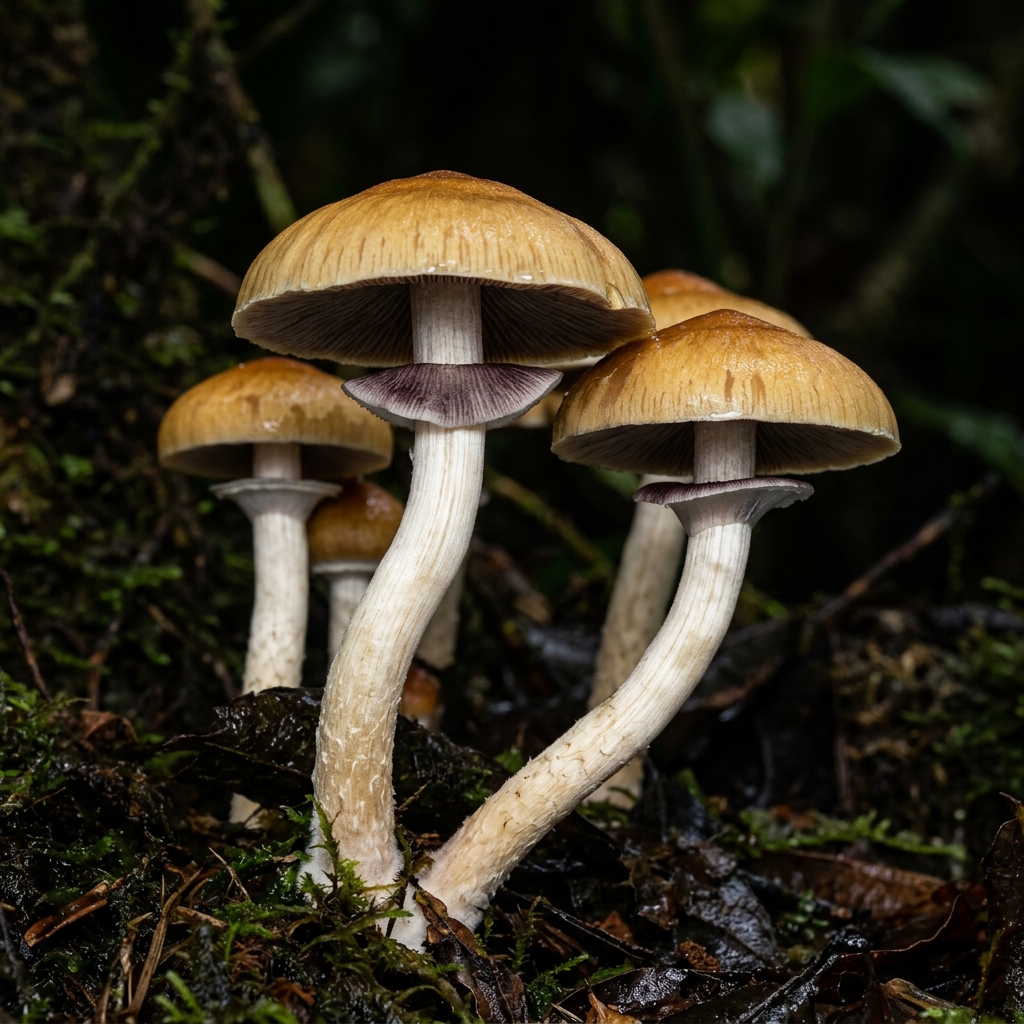
Costa Rican
Vigorous strain that colonizes rapidly and resists minor monotub environmental fluctuations.
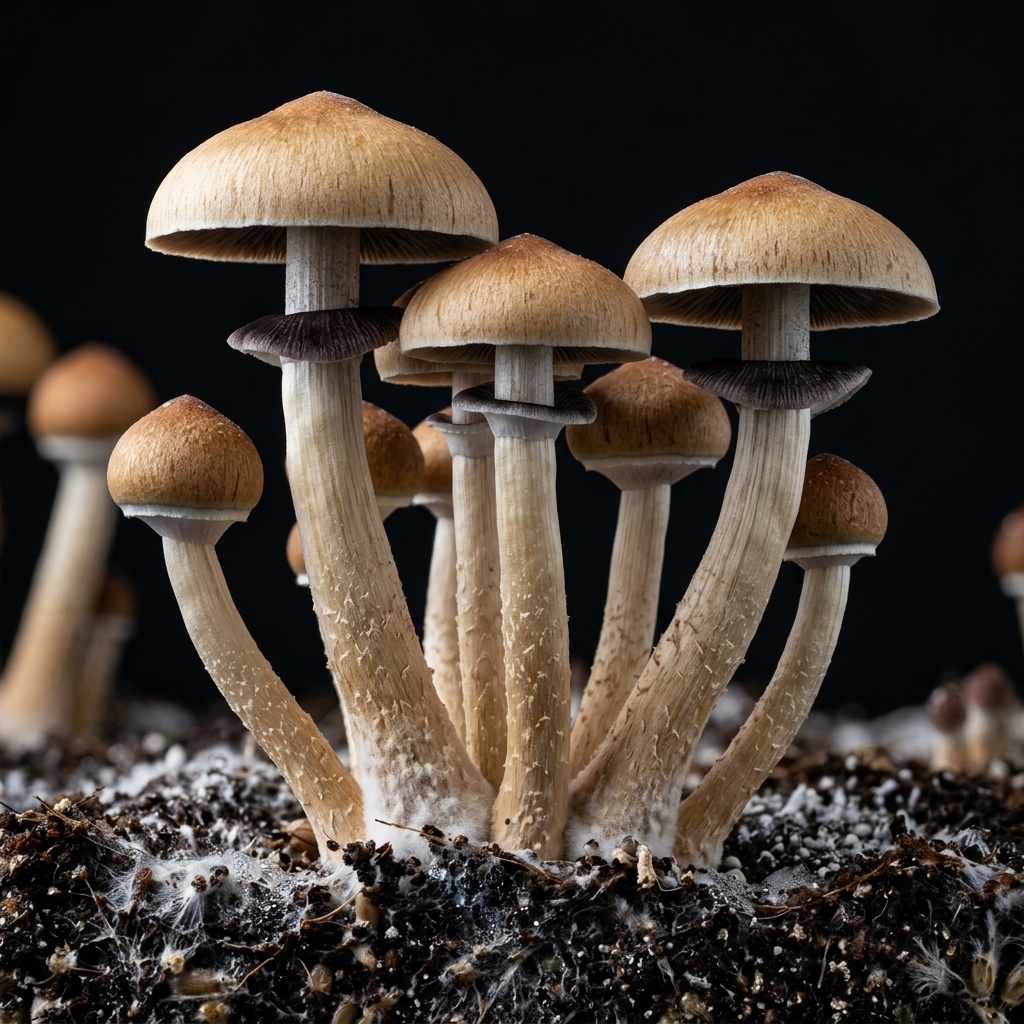
Nepal Chitwan
Asian genetics collected in subtropical grasslands. Light cinnamon caps and heavy sporulation.
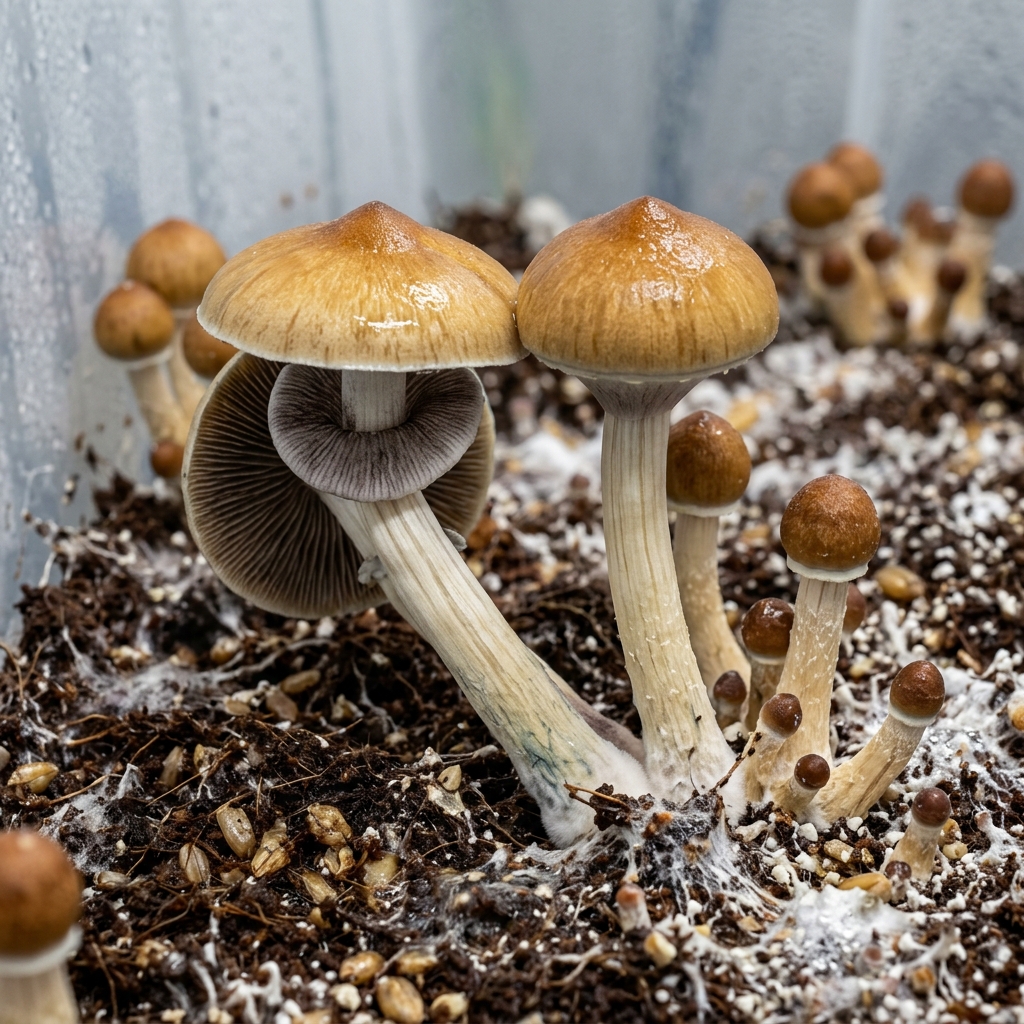
Mexican (Mexicana Cubensis)
Classic cubensis landrace (not to be confused with the truffle-forming Psilocybe mexicana species). Textbook symmetric fruits.
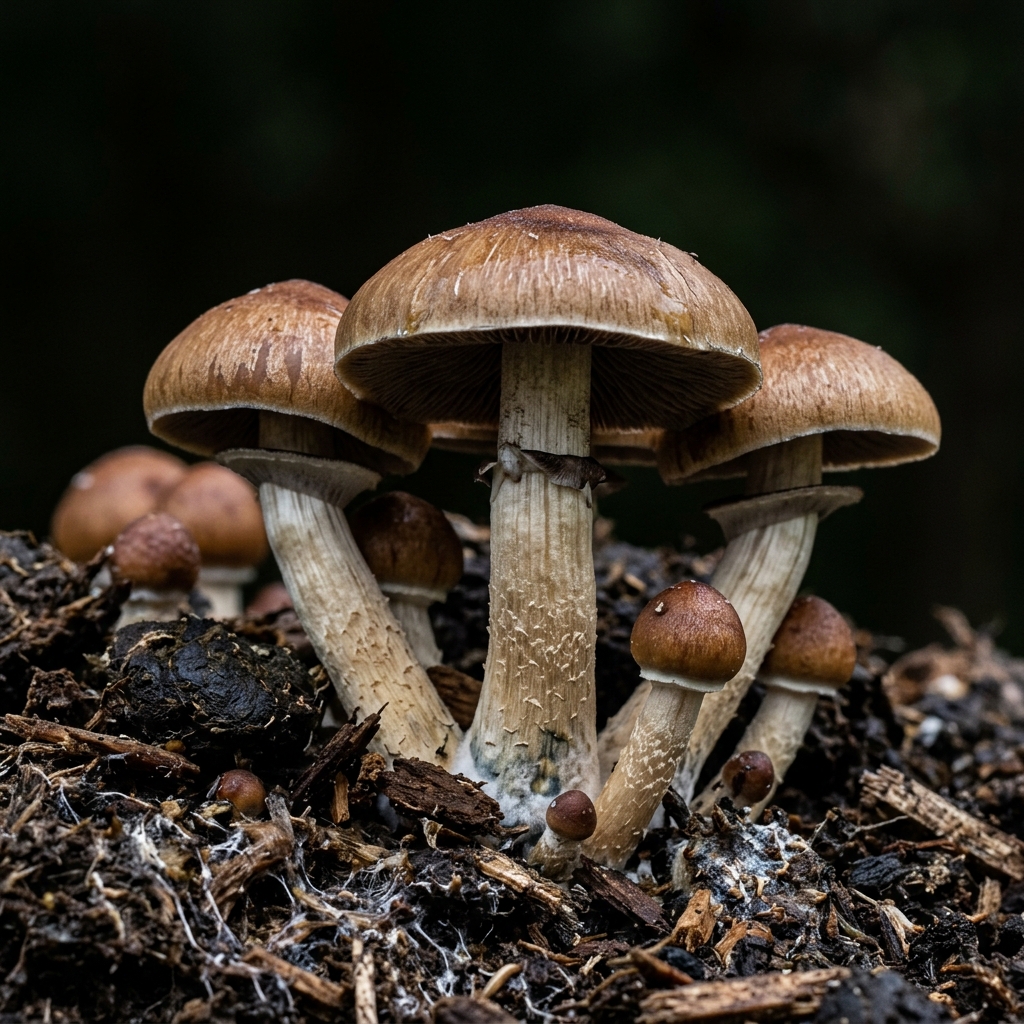
Lizard King
Unusually discovered growing on decomposing wood mixed with horse manure. Fruits in dense clusters.
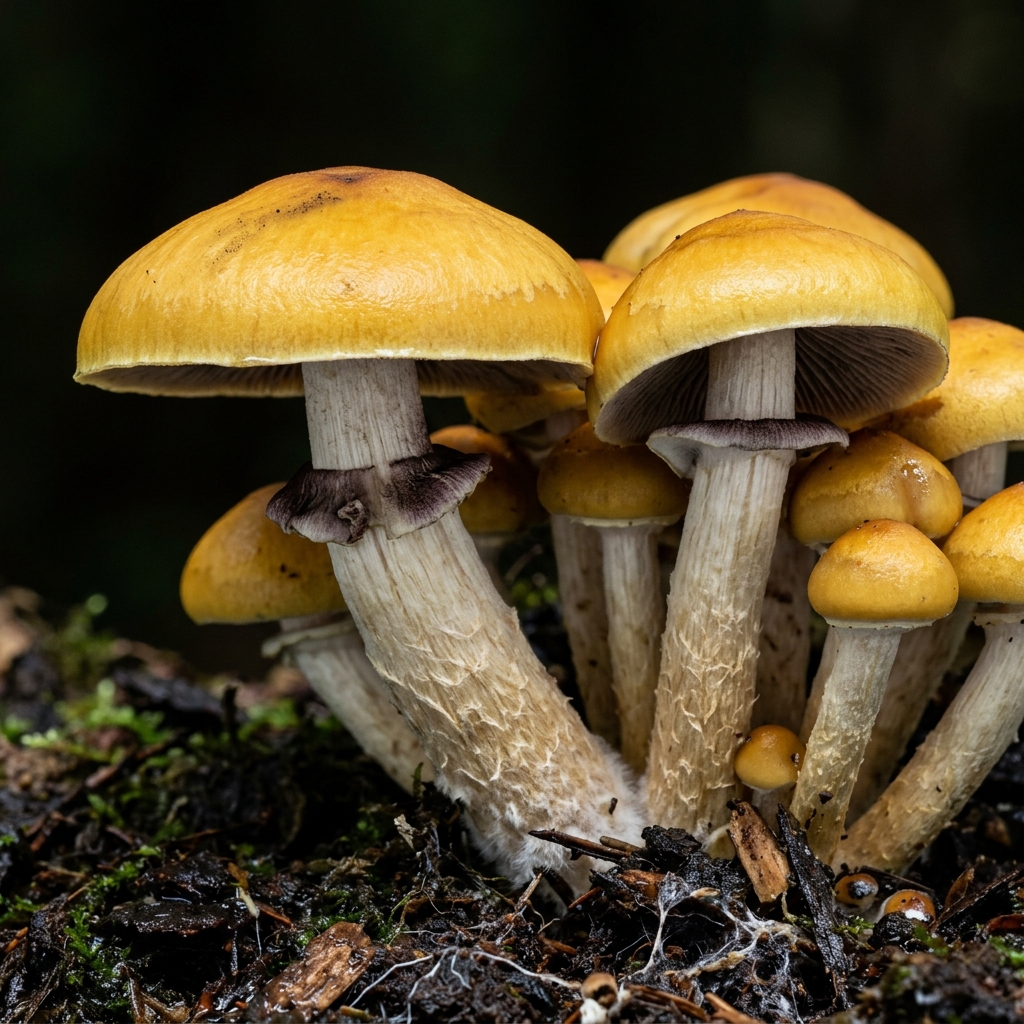
Texas Yellow Cap (TYC)
Notable for its bright yellow-golden caps and high ease of fruiting in CVG bulk.
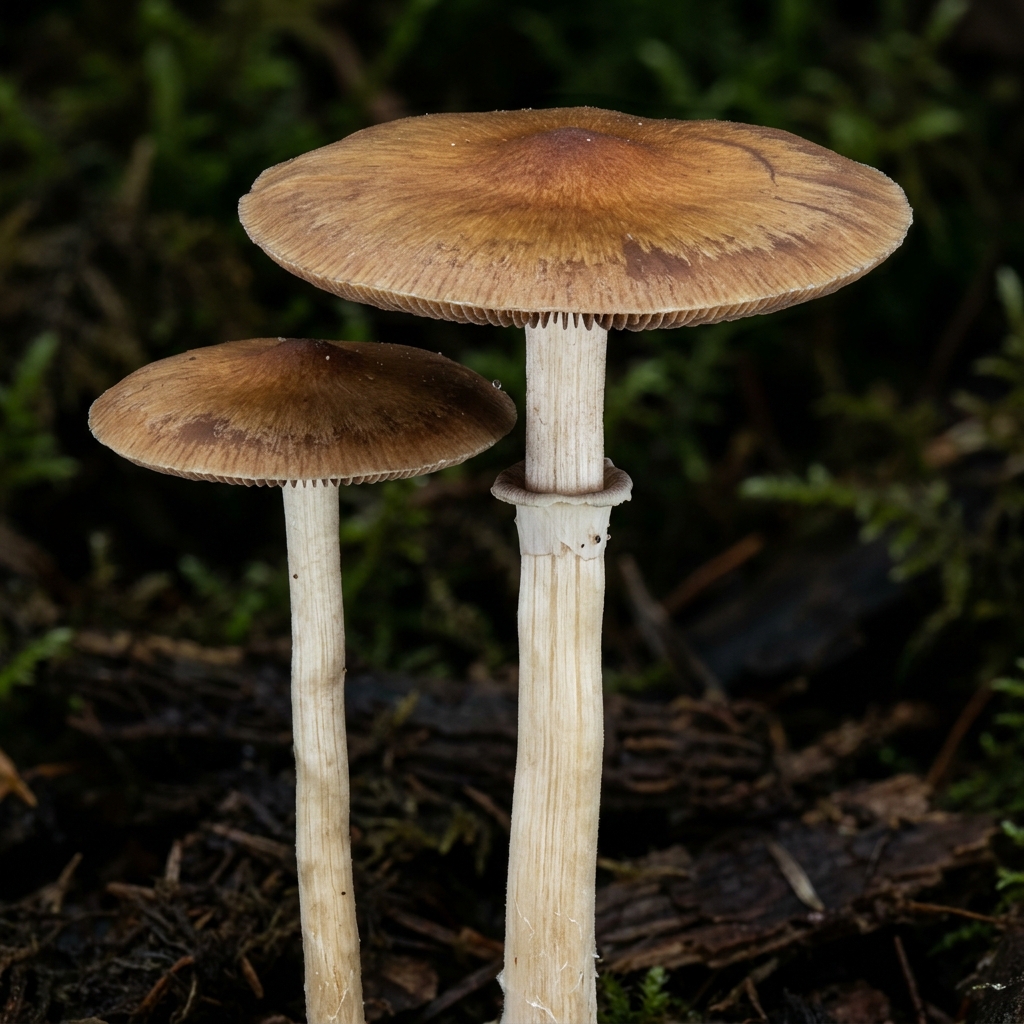
Creepers
Very aggressive, fast mycelium. Named after how the mycelium seems to "creep" rapidly over substrates.
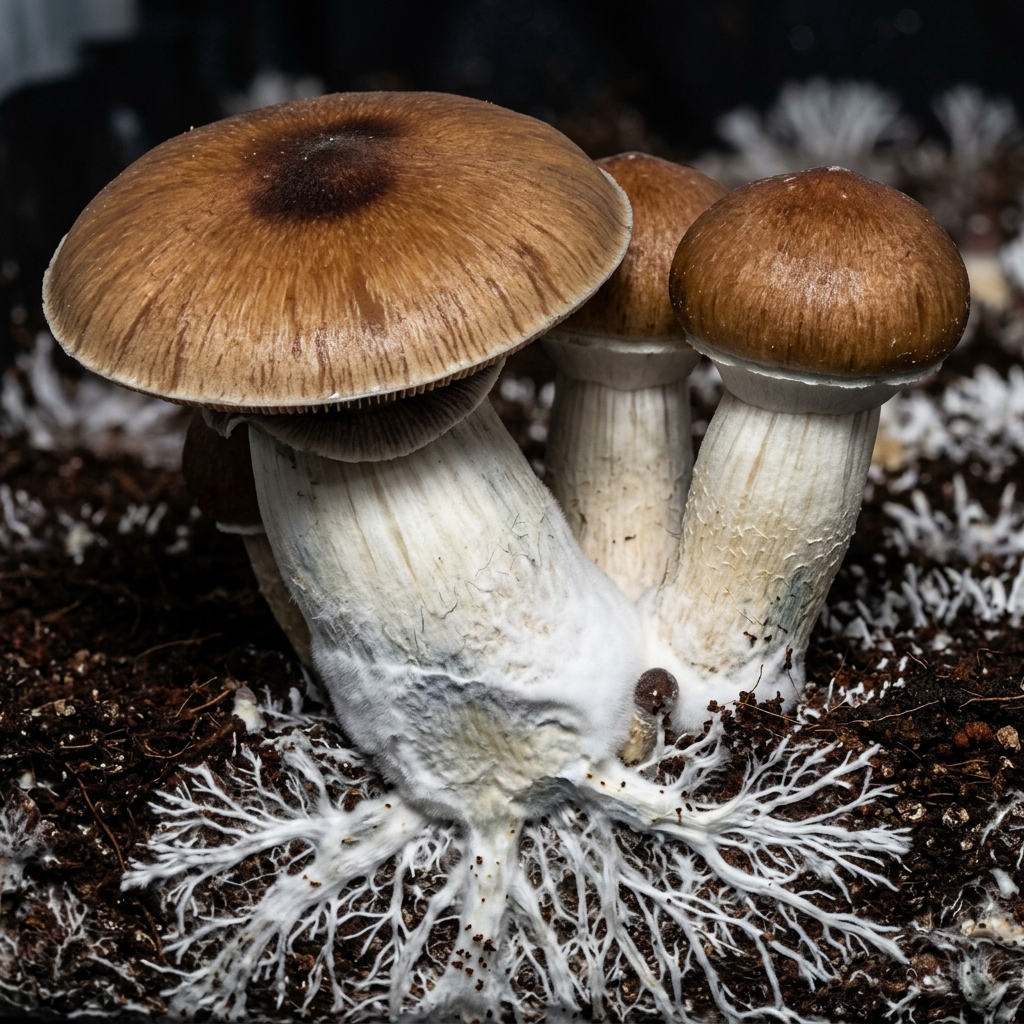
Alacabenzi
Yields fleshy bodies with gigantic caps that flatten out completely upon full maturity.
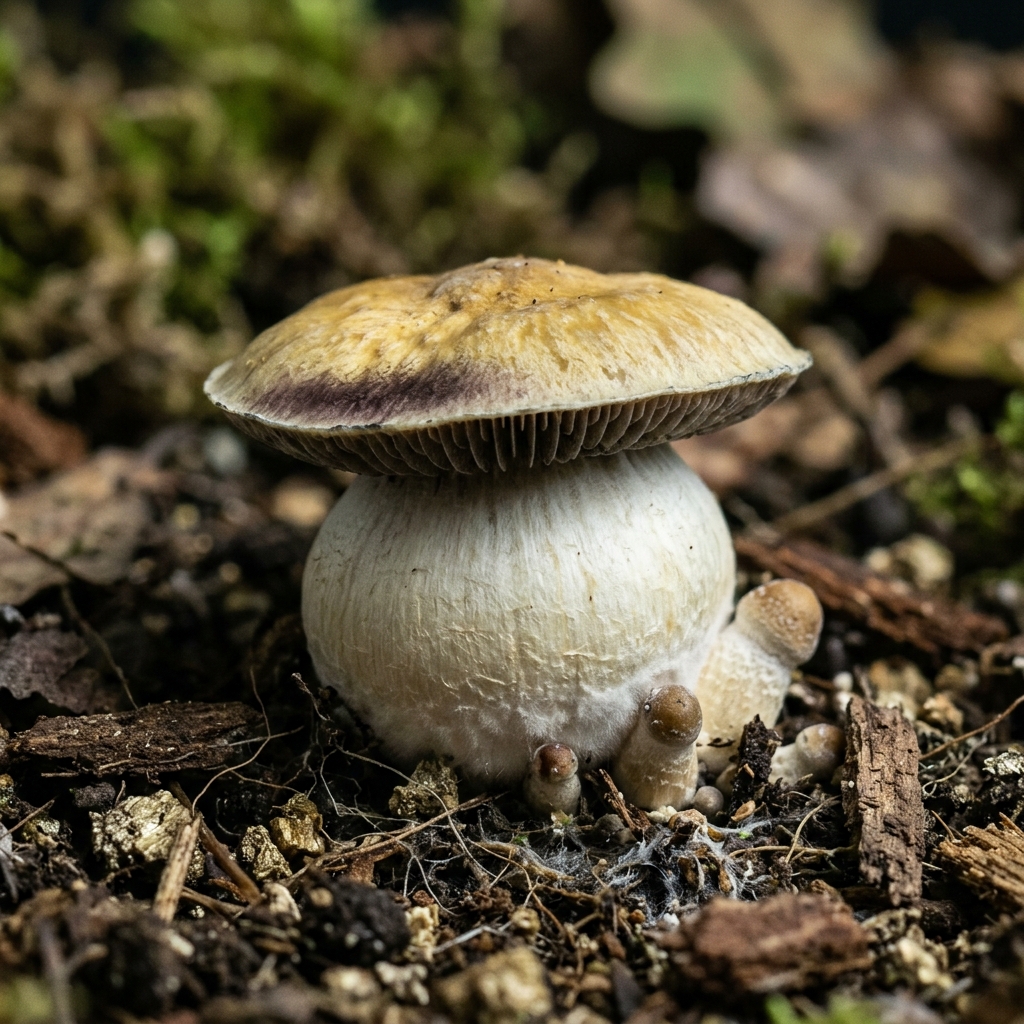
Koh Samui Super Strain (KSSS)
Ultra-thick, short "squat button" stems. Tolerates up to 27°C and demands thorough air exchange.
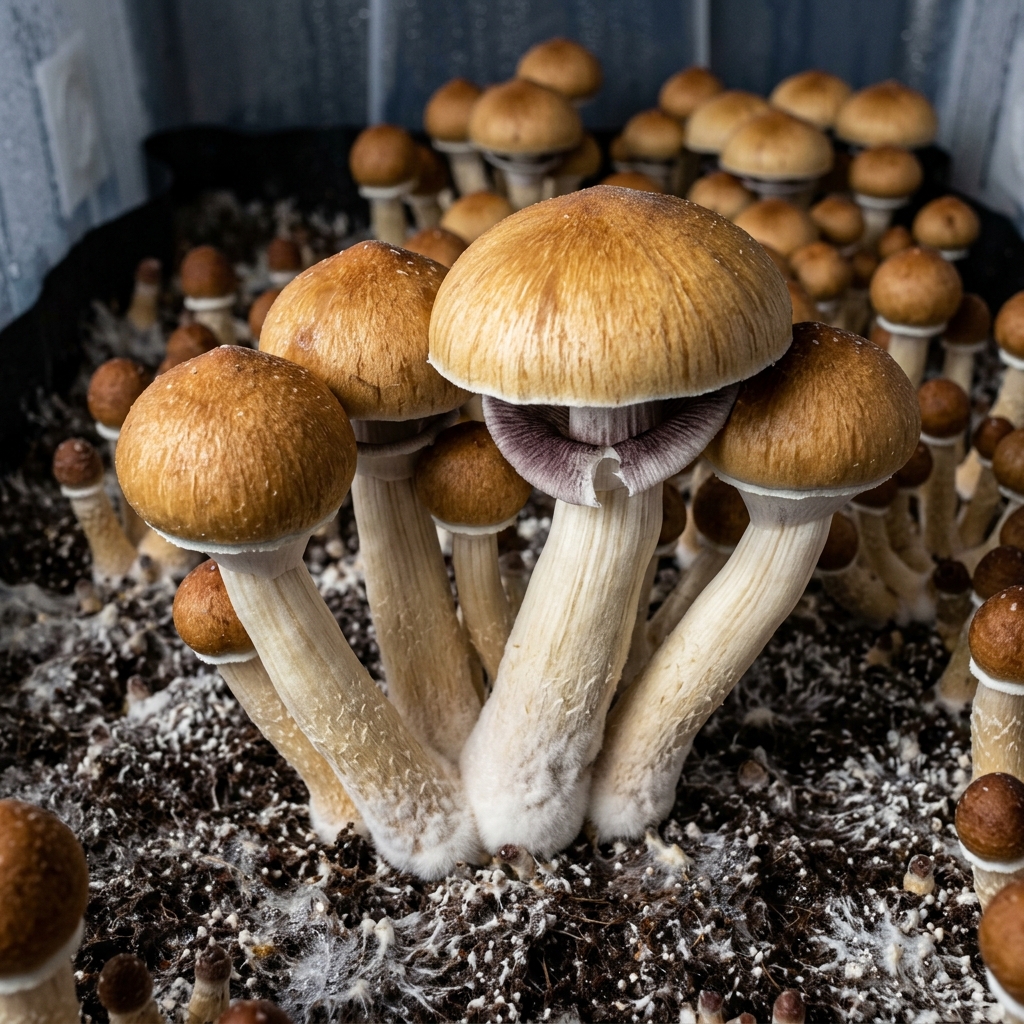
Cambodian
Collected by John Allen. One of the fastest colonizers, exceptionally tolerant to warm, humid conditions.
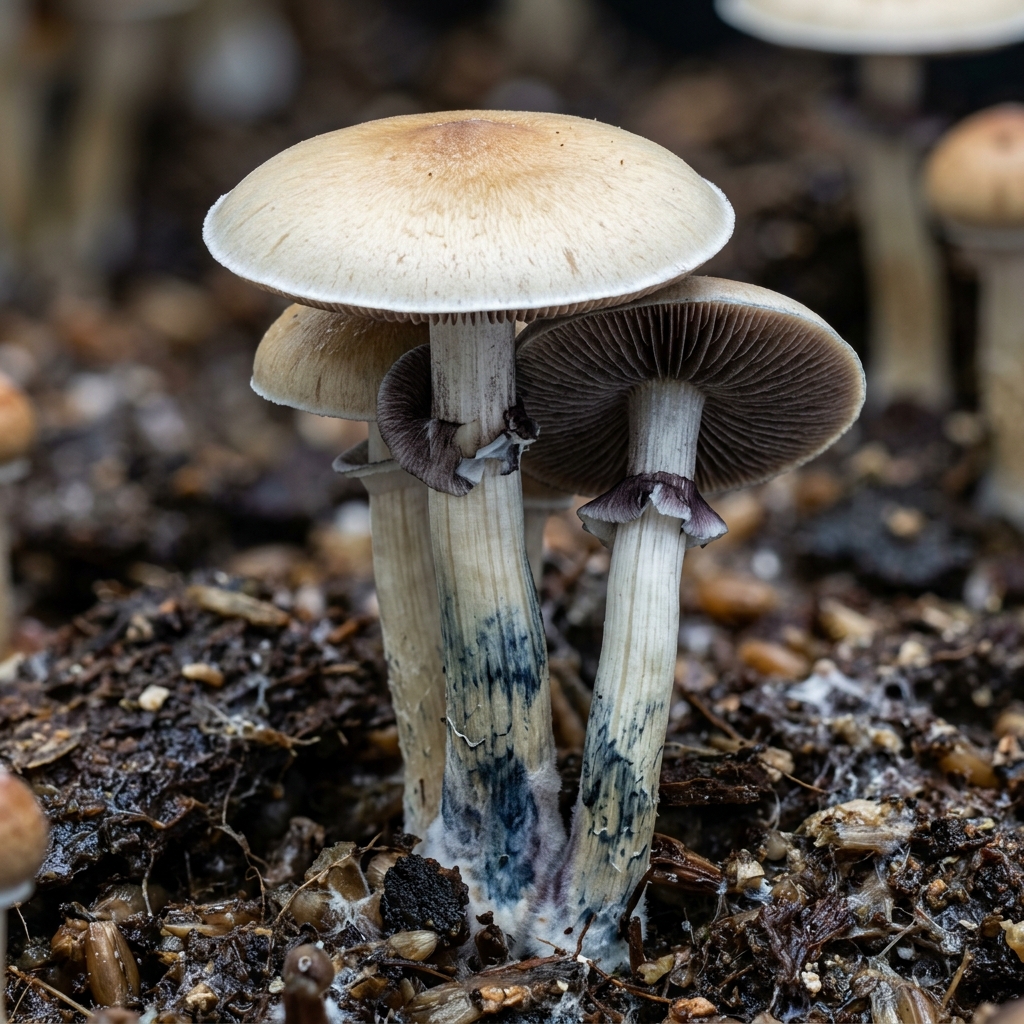
Koh Samui (Classic)
The classic wild form of Koh Samui prior to the squat mutation. Medium-height fruits with high transpiration.
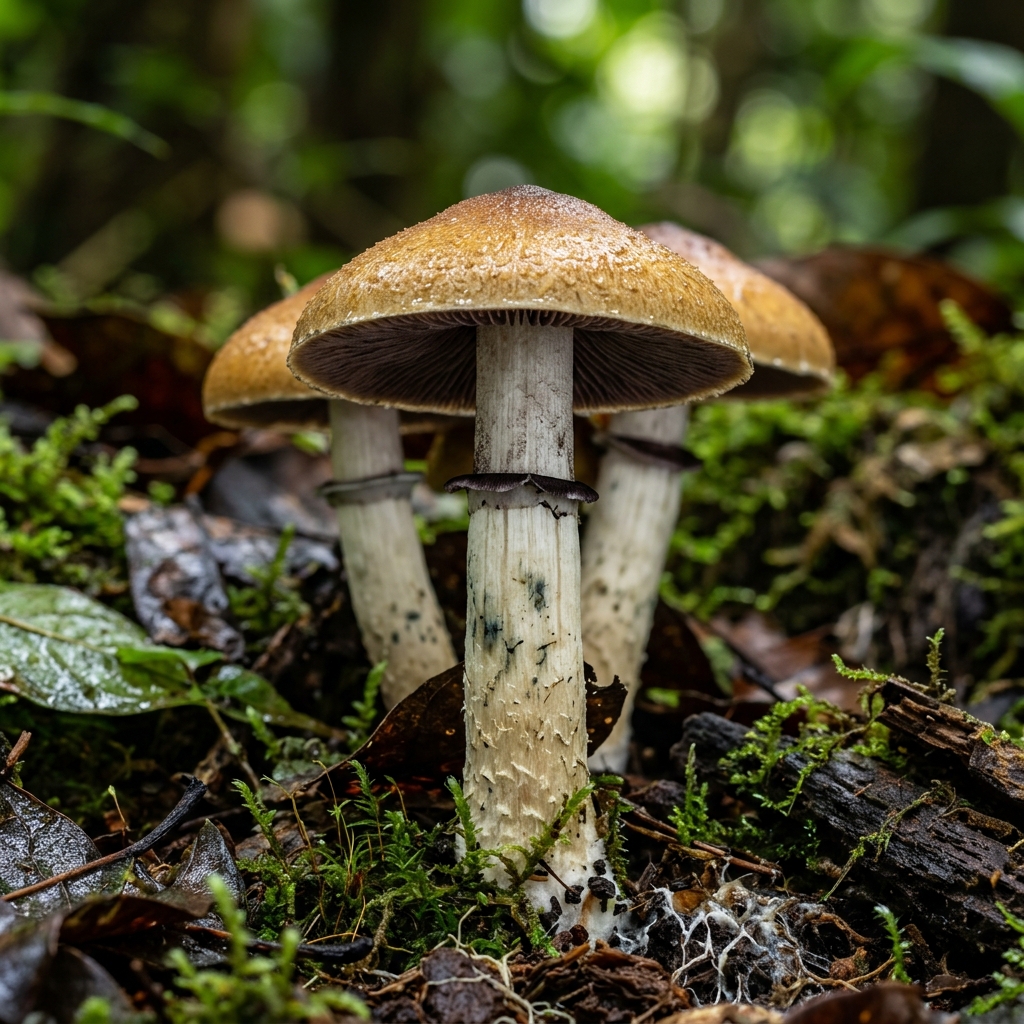
Malabar Coast
Very thick partial veil that stays attached for extended periods. Superior summer contamination resistance.
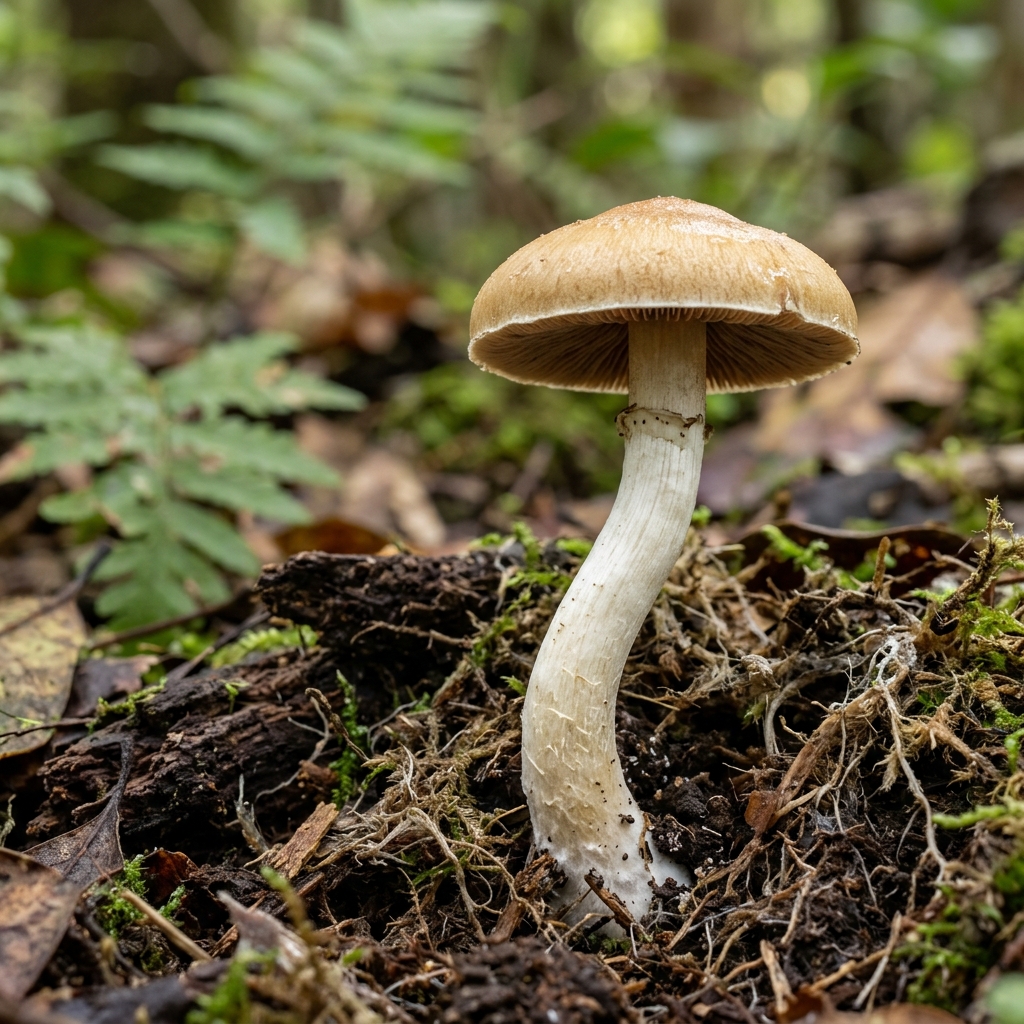
Treasure Coast
Fruits in massive dense clusters with slender stems and occasional spontaneous albino fruits.
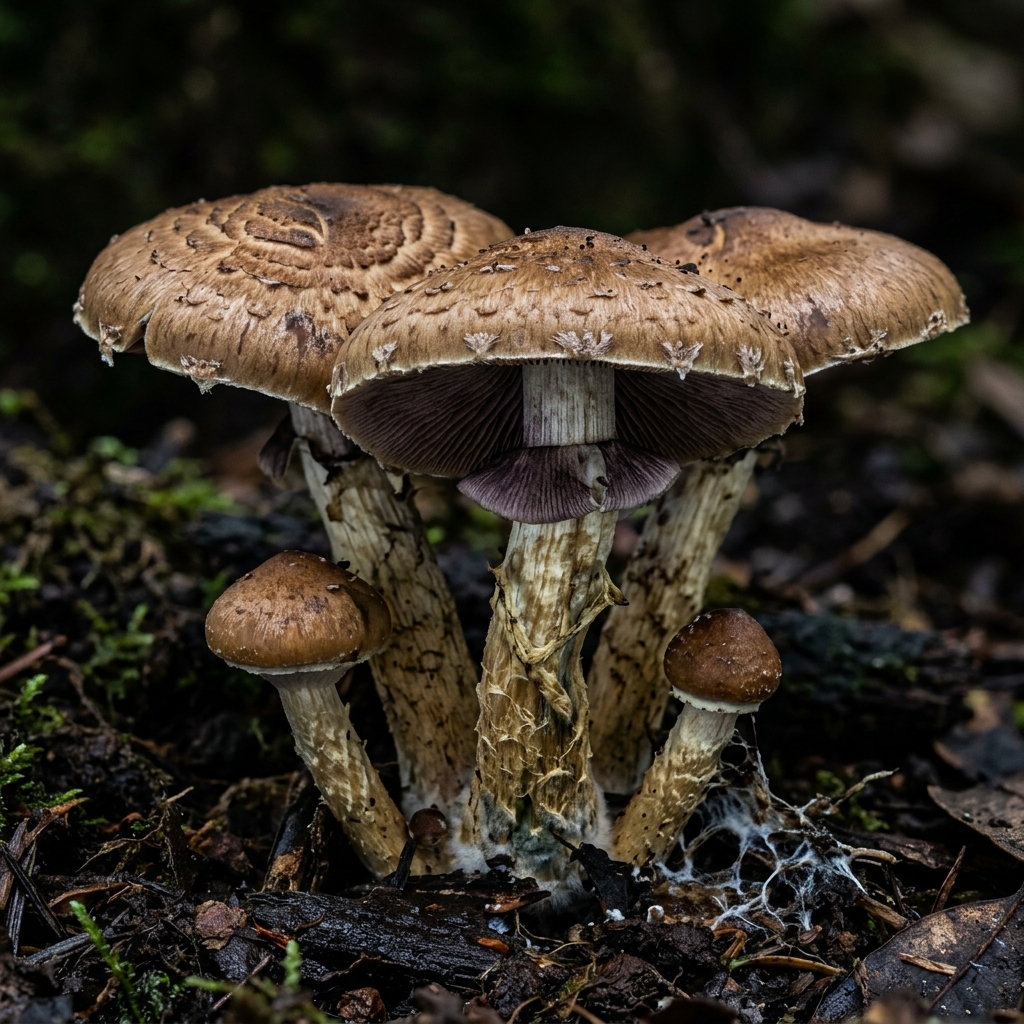
Gulf Coast
Specialized in continuous high humidity (>95% RH). Requires generous FAE to prevent thin, leggy stems.
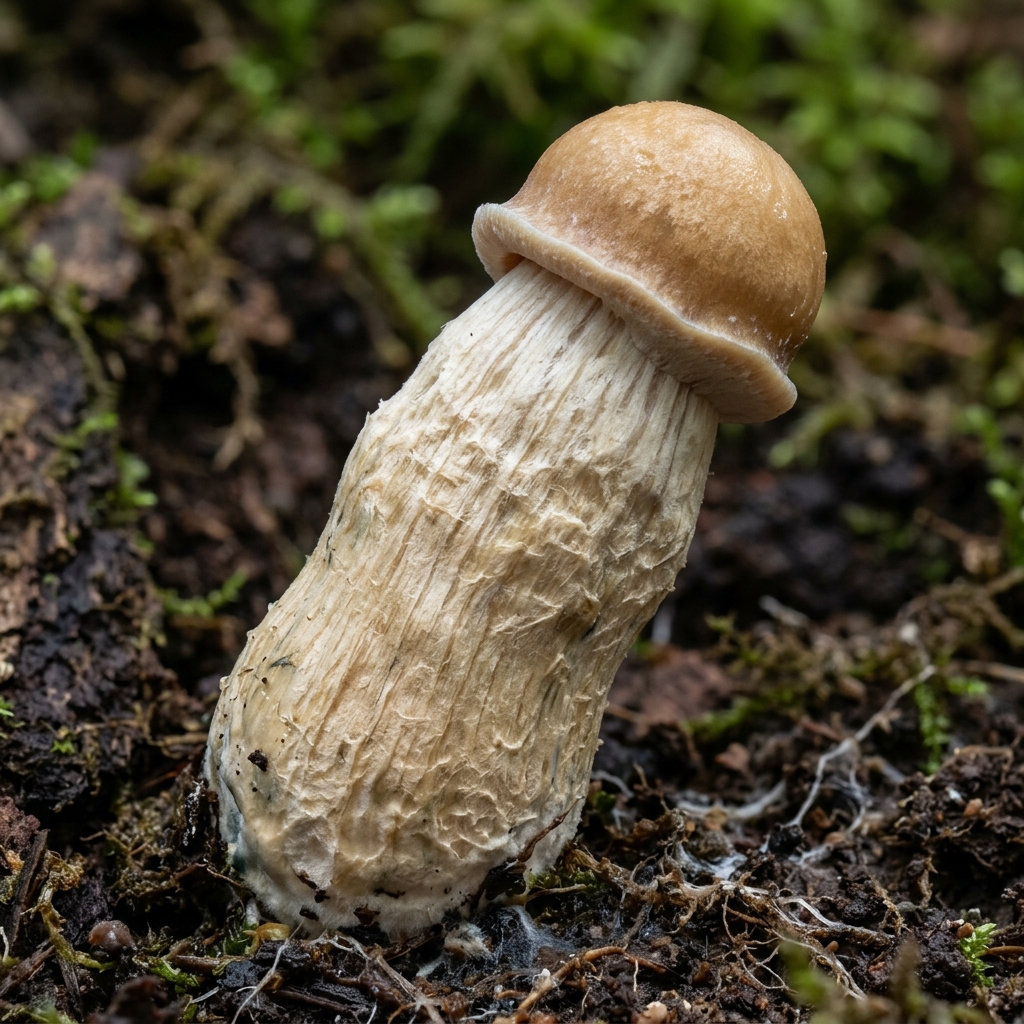
Penis Envy (PE)
The most influential mutation in modern mycology. Dense fruits, vestigial veil and extreme potency. Requires alkaline casing to prevent blobs.
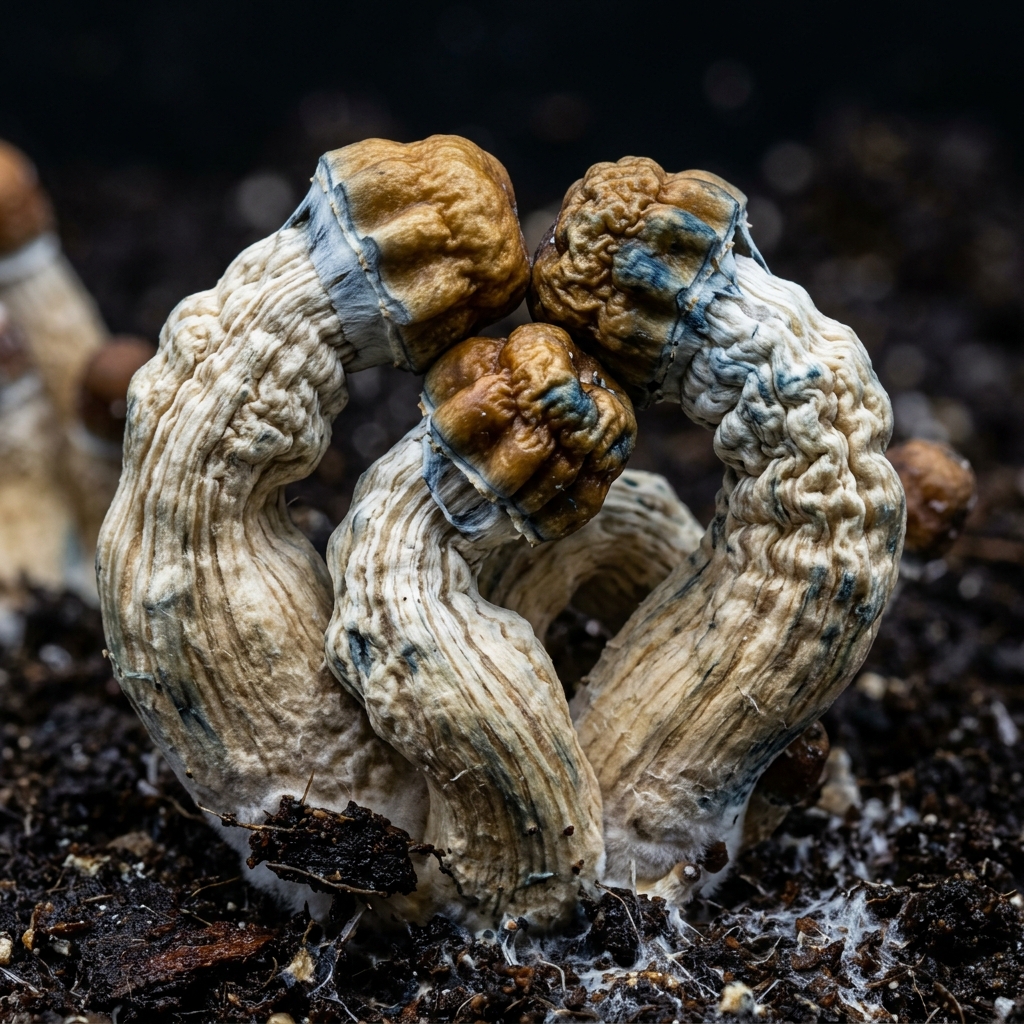
Melmac (Homestead PE)
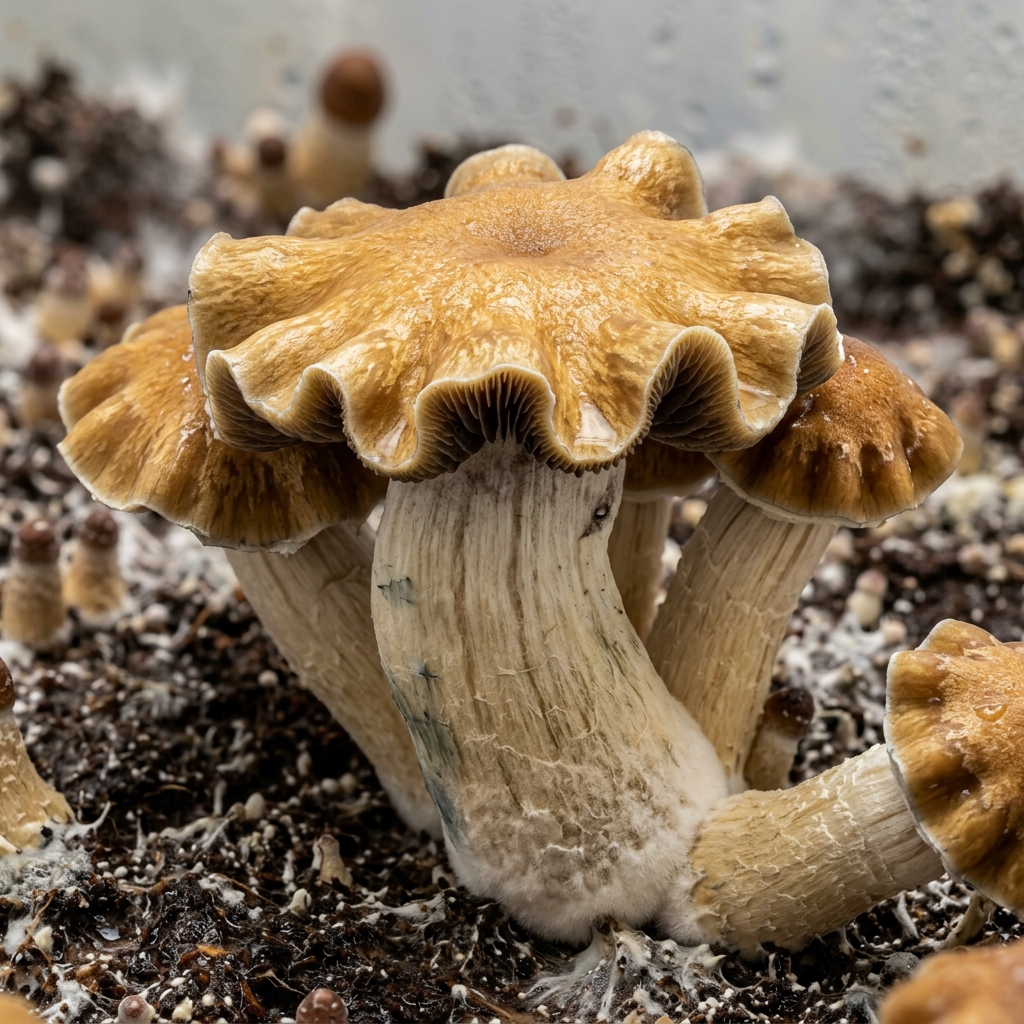
Preserves original 1980s PE traits: gnarled stems, wavy cap margins, and extraordinarily heavy biomass.
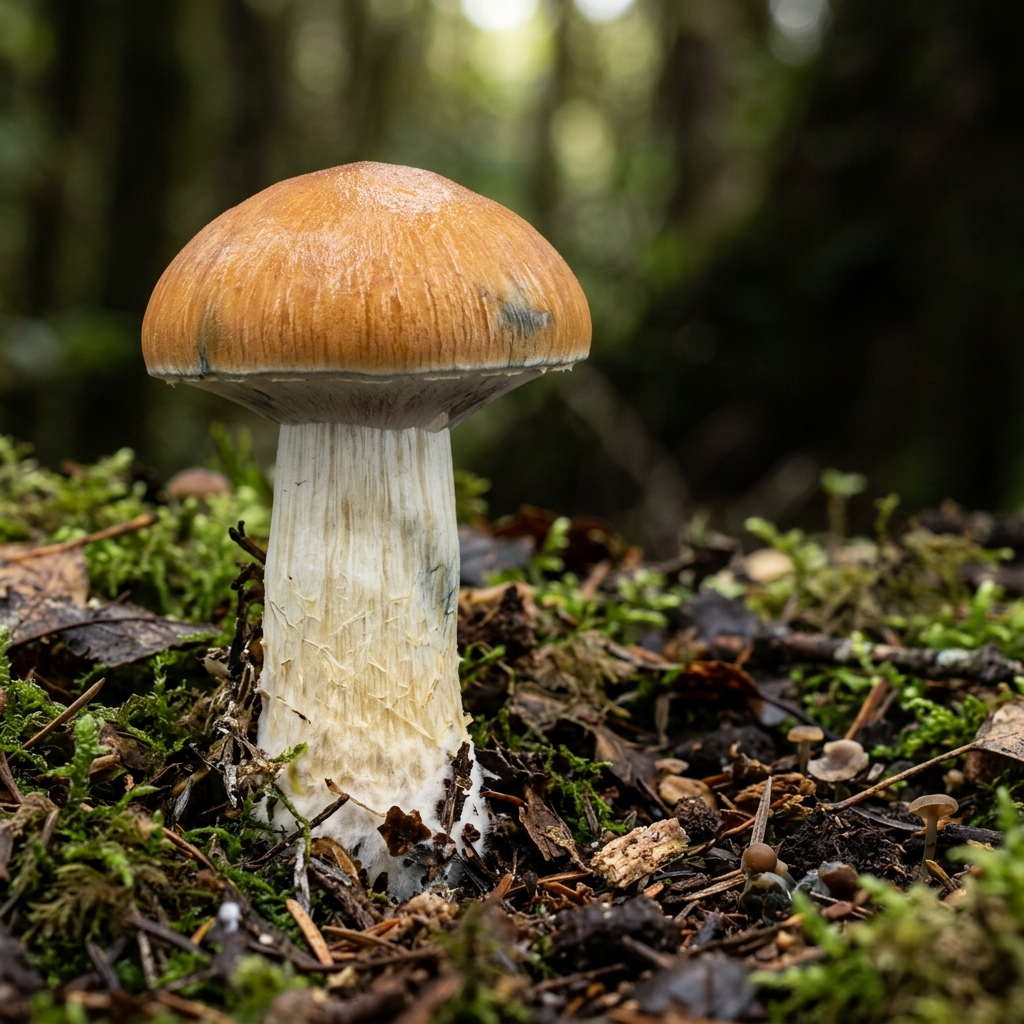
Hillbilly
Hyphae Cup winner. Extremely thick, pumpkin-like compact stems with outstanding bulk yield.
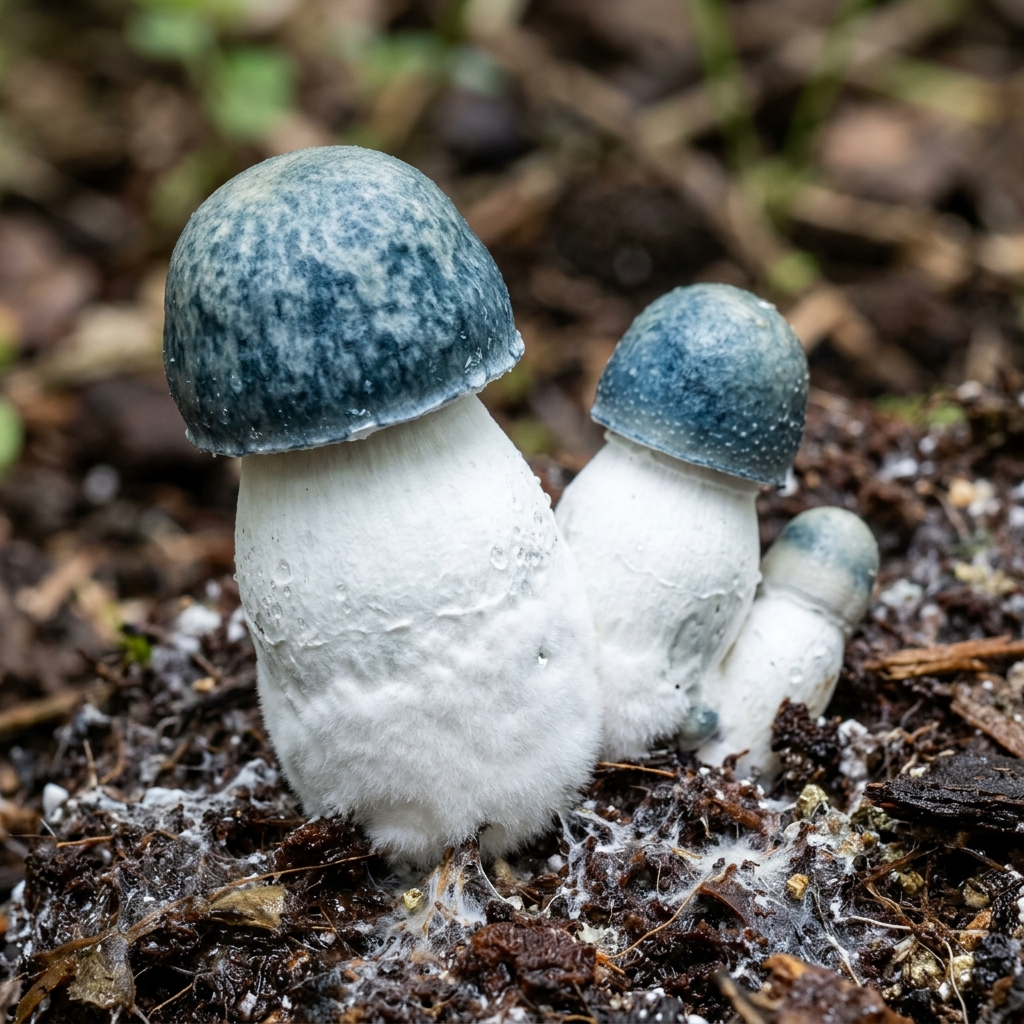
Albino Penis Envy (APE)
Ghostly white fruits with petrol-blue caps at maturity. Slow growth, zero dark sporulation and monumental potency.
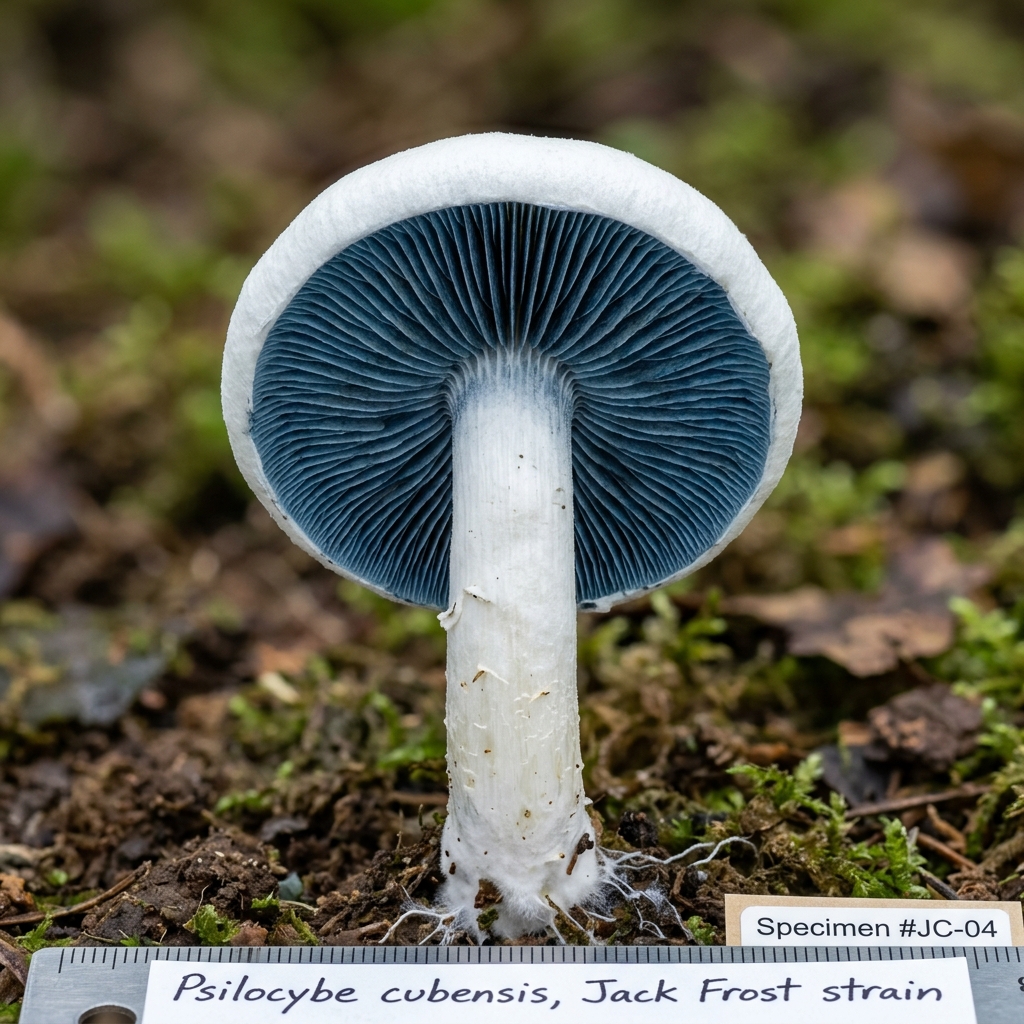
Jack Frost
Renowned for icy-blue gills and upward-saucered caps resembling delicate winter frost.
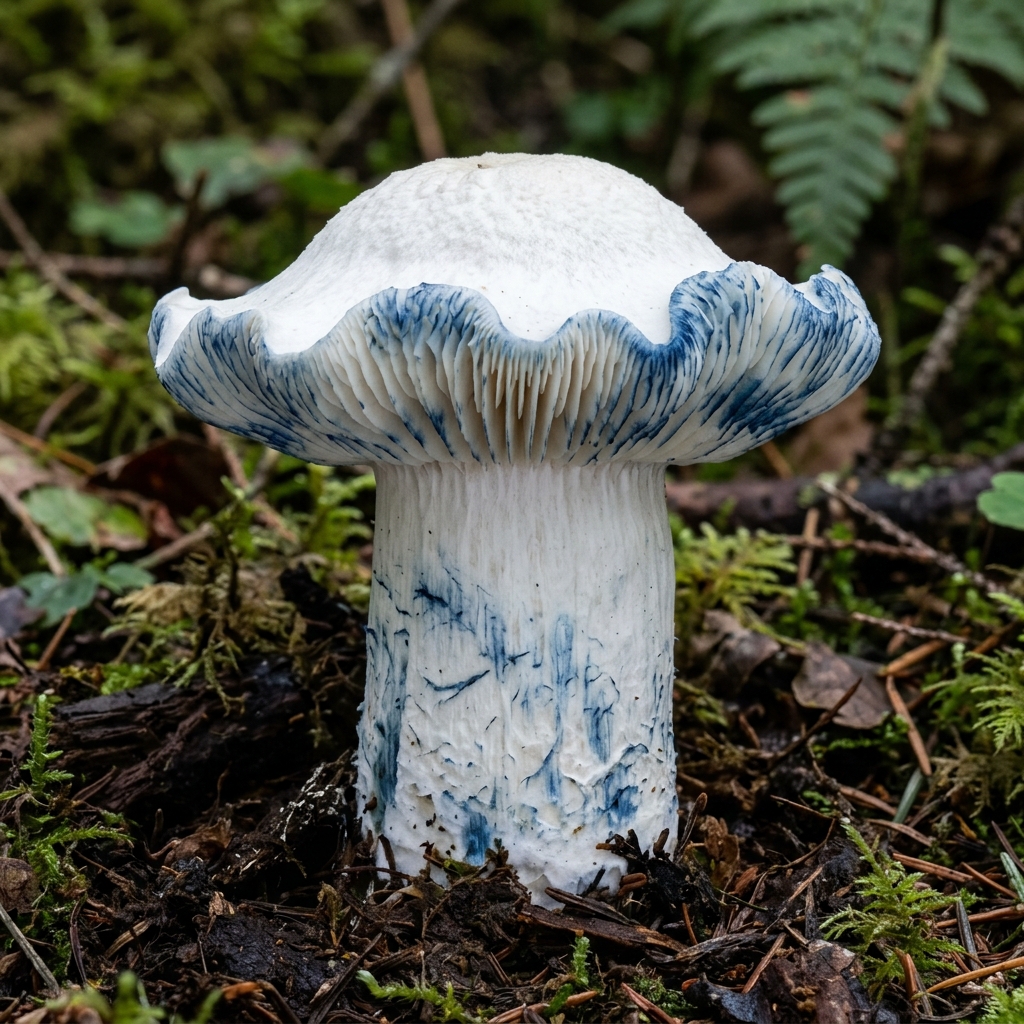
Yeti
Ivory-white convex caps with ultra-dense stipes that bruise deeply blue as they mature.

Ghost
Forms wavy, bulbous caps with crinkled edges resembling floating phantom sheets.
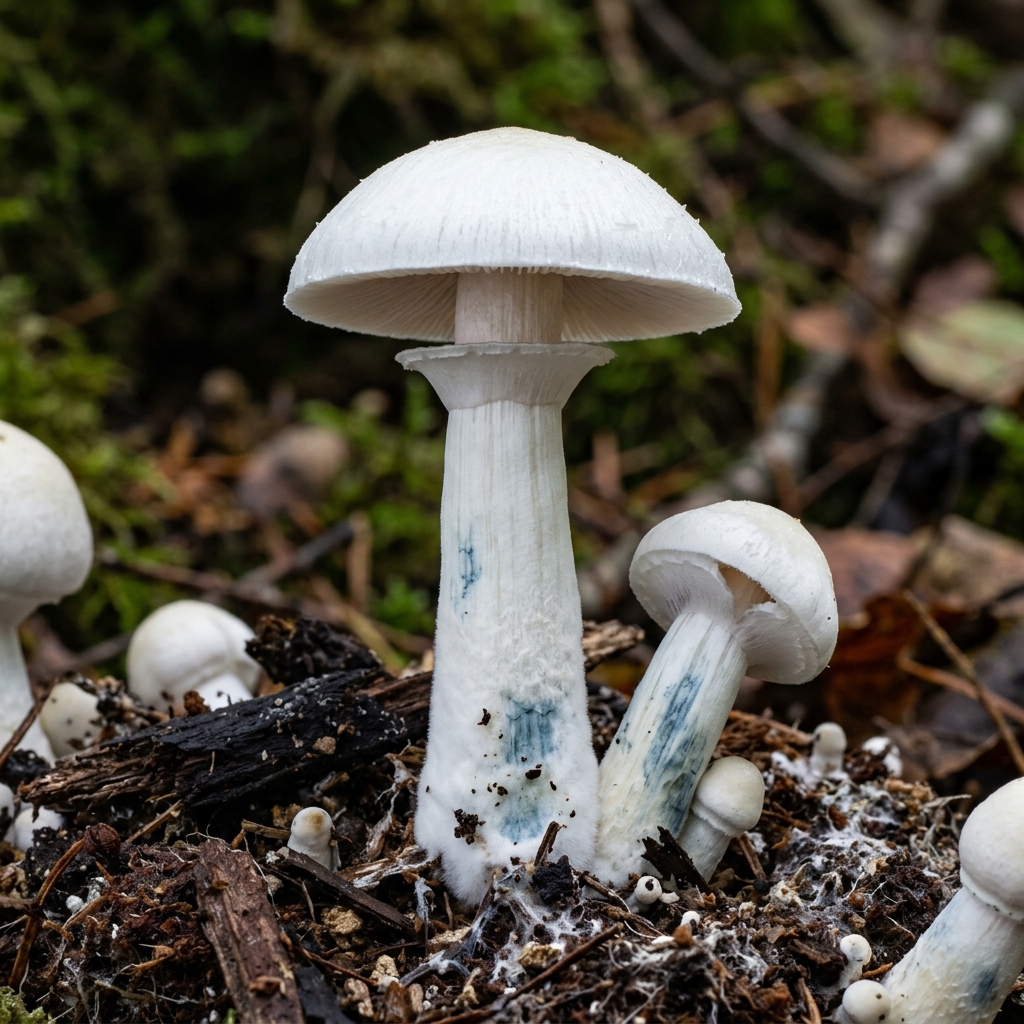
True Albino Teacher (TAT)
The seminal albino mutation that gave birth to Jack Frost, Yeti and Ghost. Retains Golden Teacher vigor in white form.
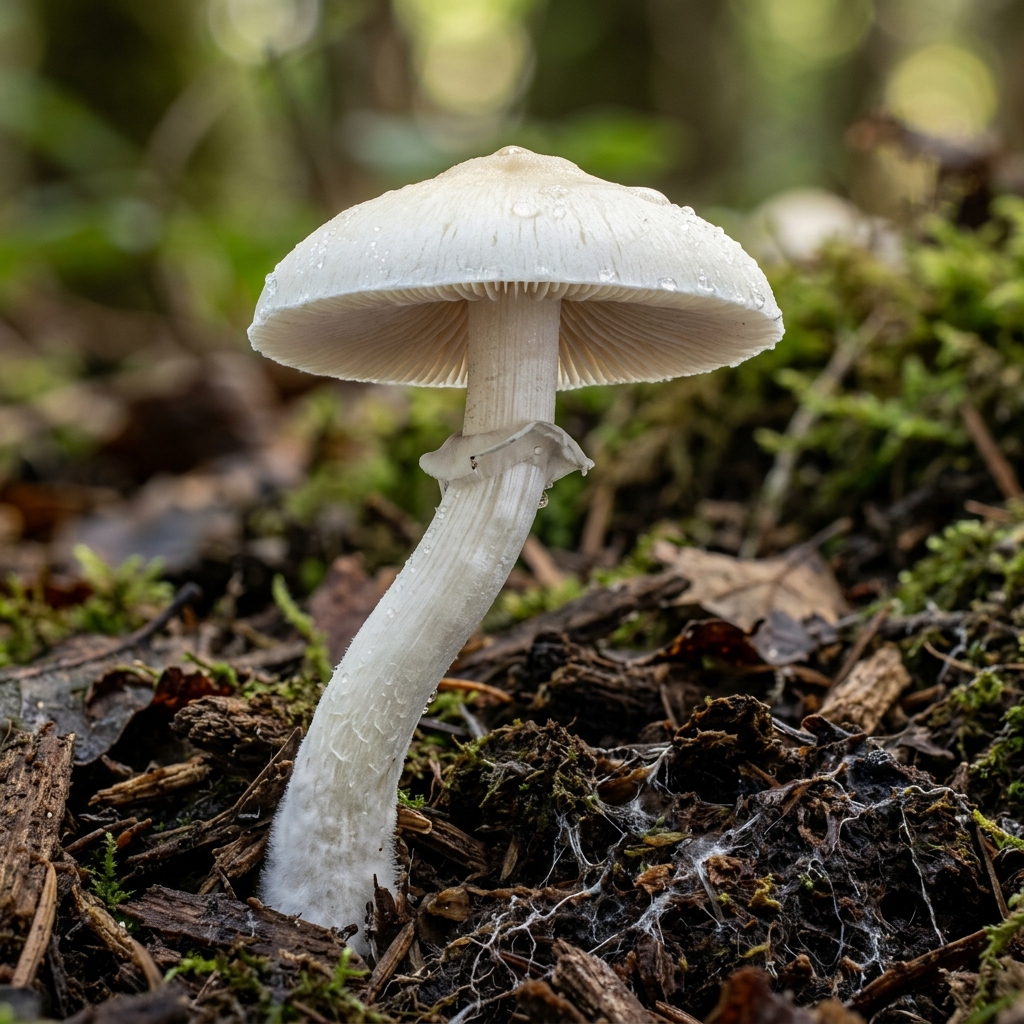
Albino A+ (AA+)
Technically leucistic (has dark spores despite ghost-white body). Tall stipes and conical caps.
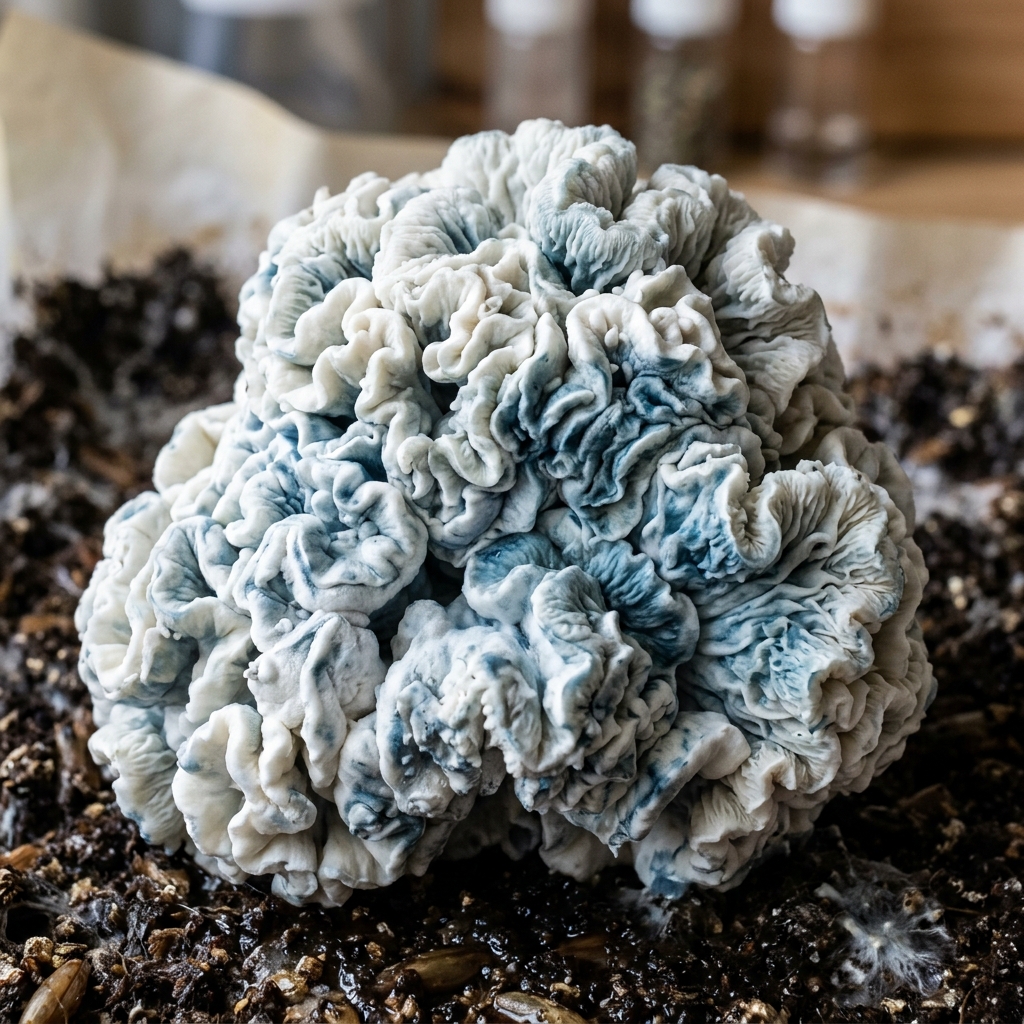
Enigma (Omni / TW2)
Sterile mutation lacking caps or gills. Grows into crinkled coral/brain-like masses over 4-8 weeks. Colossal potency.
Tidal Wave (TW)
Overall winner of the 2021 Psilocybin Cup. The fertile parent lineage that spawned the Enigma somatic mutation.
lens_blur Cap (Pileus)
view_list Gills (Hymenium)
straighten Stipe (Stem)
blur_circular Spores (Microscopy)
colorize Flesh
Alkaloid Profile (% Dry Weight)
Sources
Stamets 1996
Habitat and Ecology
Geographic Distribution
⚠️ Lookalike Species
Confusion with these species can be dangerous or fatal. Always consult an expert mycologist.
menu_book Scientific References
- Stamets 1996
Cultivation Biology & Master Overview
Psilocybe cubensis is the model and most appreciated species for the study of indoor mycology. Its extraordinary adaptability allows successful cycles through multiple methodologies: there is no single closed dogma. Each grower must find the technique that best suits their local resources, time and equipment. From home methods without a pressure cooker (such as steamed brown rice in a traditional pot / Broke Boi Tek) to autoclave laboratories (rye or oats), and from minimalist substrates based on 100% pure coconut fiber (Bucket Tek) to the classic CVG formulation (Coconut + Vermiculite + Gypsum) with or without a covering layer (casing).
Step-by-Step Cultivation Manual (Inoculation to Harvest)
The full phase-by-phase chronological protocol (grain colonization, bulk mixing, fruiting induction, harvesting and flushes) and expert grower secrets are available in the Master Cultivation Guide.